


Sterile Filtration: Process, Filter Integrity and Limits

Sterile filtration is the process by which liquid medicines are freed of microorganisms by passing them through a membrane filter with a pore size of 0.2 µm. It is the standard for products that cannot be sterilised by heat and takes place in aseptic filling directly before the filling step. Because no further sterilisation follows […]
Isolator or RABS: Barrier Systems in Sterile Filling Compared
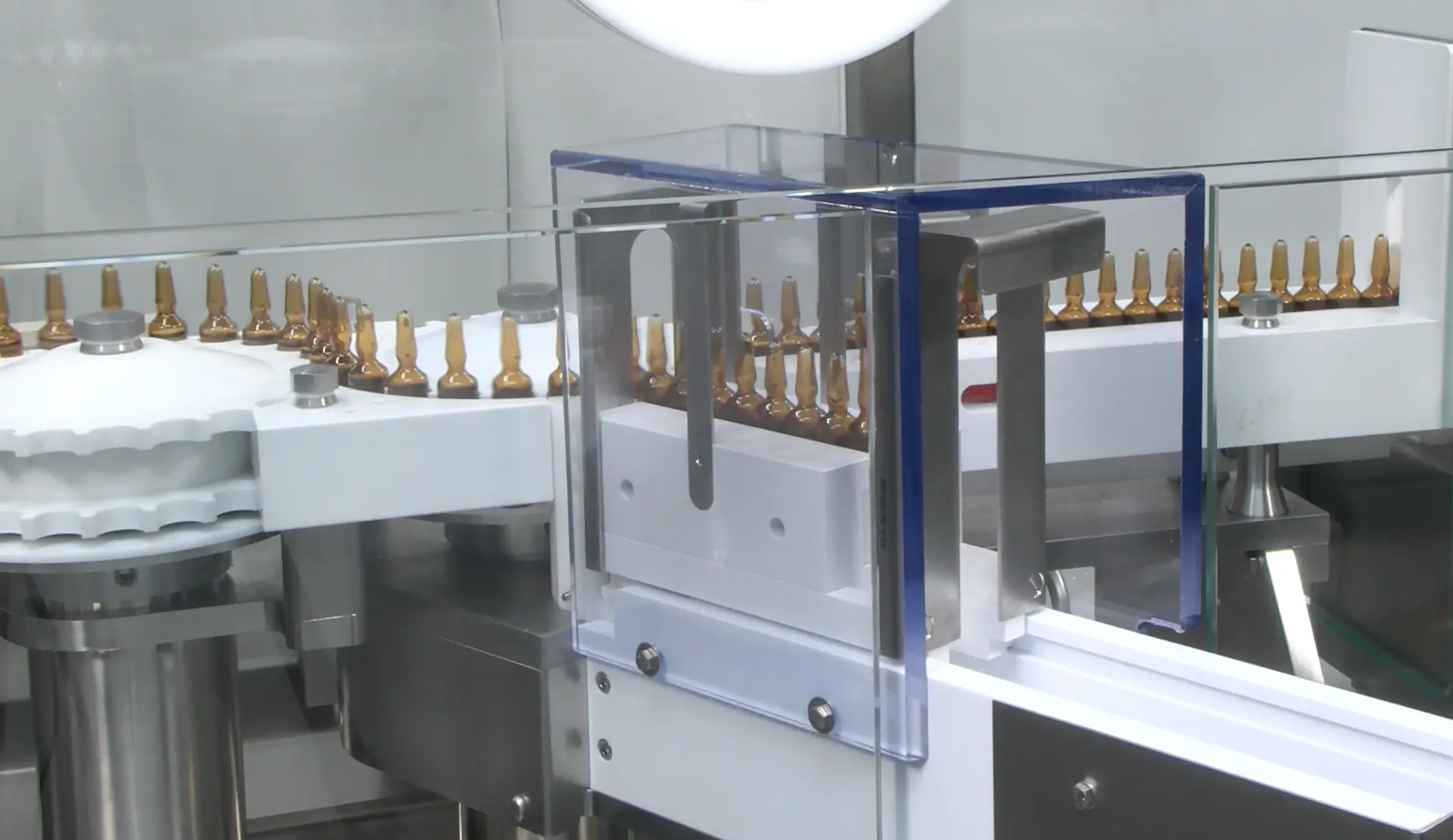
A pharmaceutical isolator is a closed barrier system that completely separates the aseptic filling area from personnel and the surrounding environment. A RABS, restricted access barrier system, also separates, but remains part of the surrounding cleanroom. Both systems are designed to prevent microorganisms from people reaching the product. Since the revision of Annex 1, authorities […]
Fill Finish: The Process Steps of Sterile Filling Explained
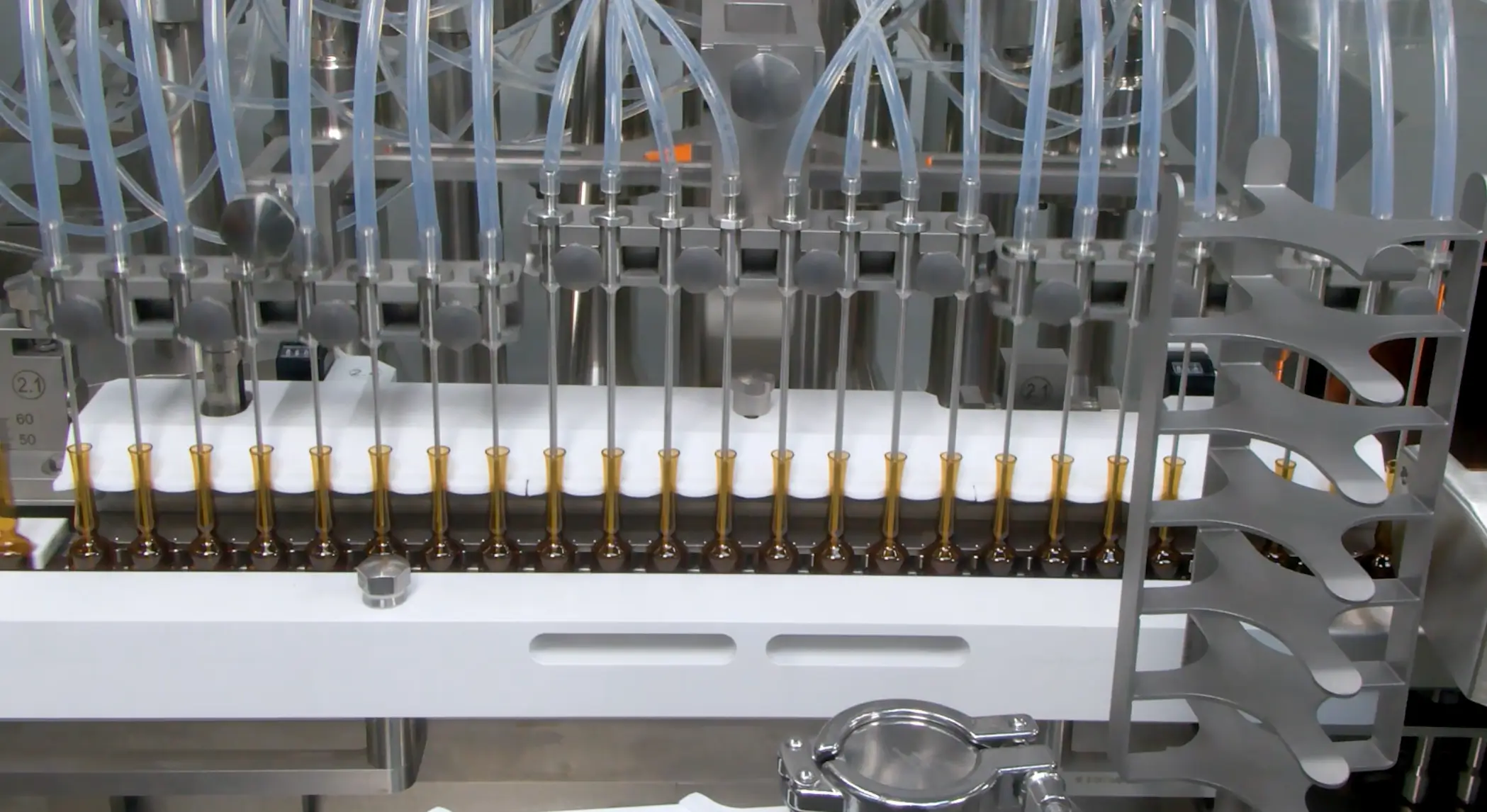
Fill finish refers to the final steps of pharmaceutical manufacturing, in which a fully formulated product is filled under sterile conditions, closed, inspected and packaged. For injections, infusions and eye drops, fill finish is the most critical section, because this is where the sterility of the product is decided. This article explains the individual process […]
Pharmaceutical Contract Manufacturing or Contract Filling: The Difference
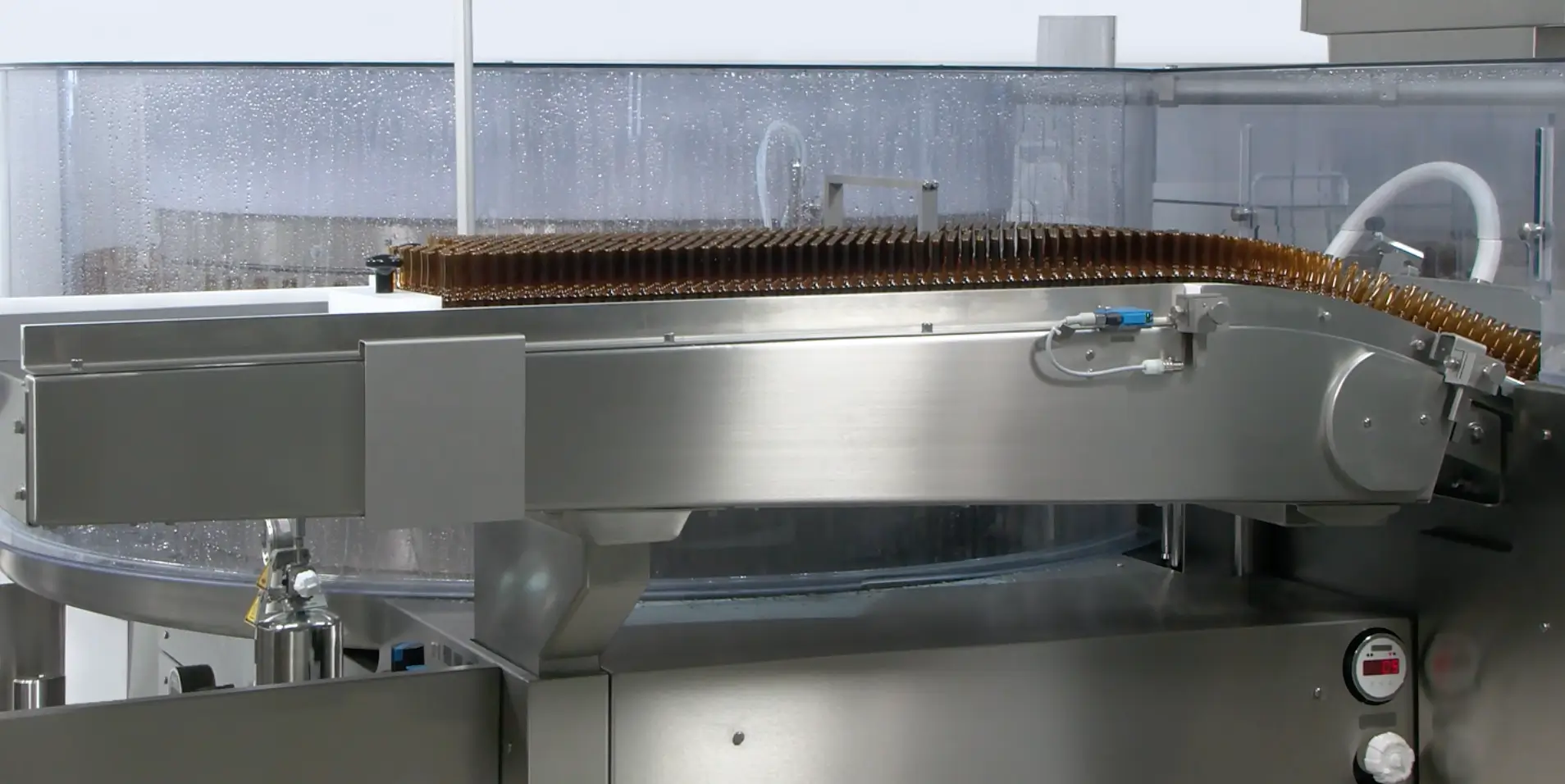
Pharmaceutical contract manufacturing means producing medicinal products on behalf of other companies, from compounding the active solution to the packaged product. A contract filler, on the other hand, only takes over the fill finish step, meaning the sterile filling of an already manufactured solution. The two terms are often used interchangeably, but they describe different […]
IVDR: What Manufacturers of In Vitro Diagnostics Must Consider in Contract Filling

The IVDR, Regulation (EU) 2017/746 on in vitro diagnostic medical devices, has governed since 26 May 2022 how tests, reagents and control materials are placed on the market in the EU. It replaces the earlier directive and requires manufacturers to provide significantly more evidence on performance, quality management and the supply chain. Anyone who outsources […]
Filling Buffer Solutions: Requirements for Diagnostics and Laboratories

A buffer solution is an aqueous solution that keeps its pH value largely constant when acids or bases are added. In diagnostics and the laboratory, buffers are everywhere, as diluents, wash solutions, extraction buffers or components of test kits. As soon as they go on the market as a product, they must be manufactured reproducibly, […]
Parenterals: Definition, Types and Manufacturing Requirements
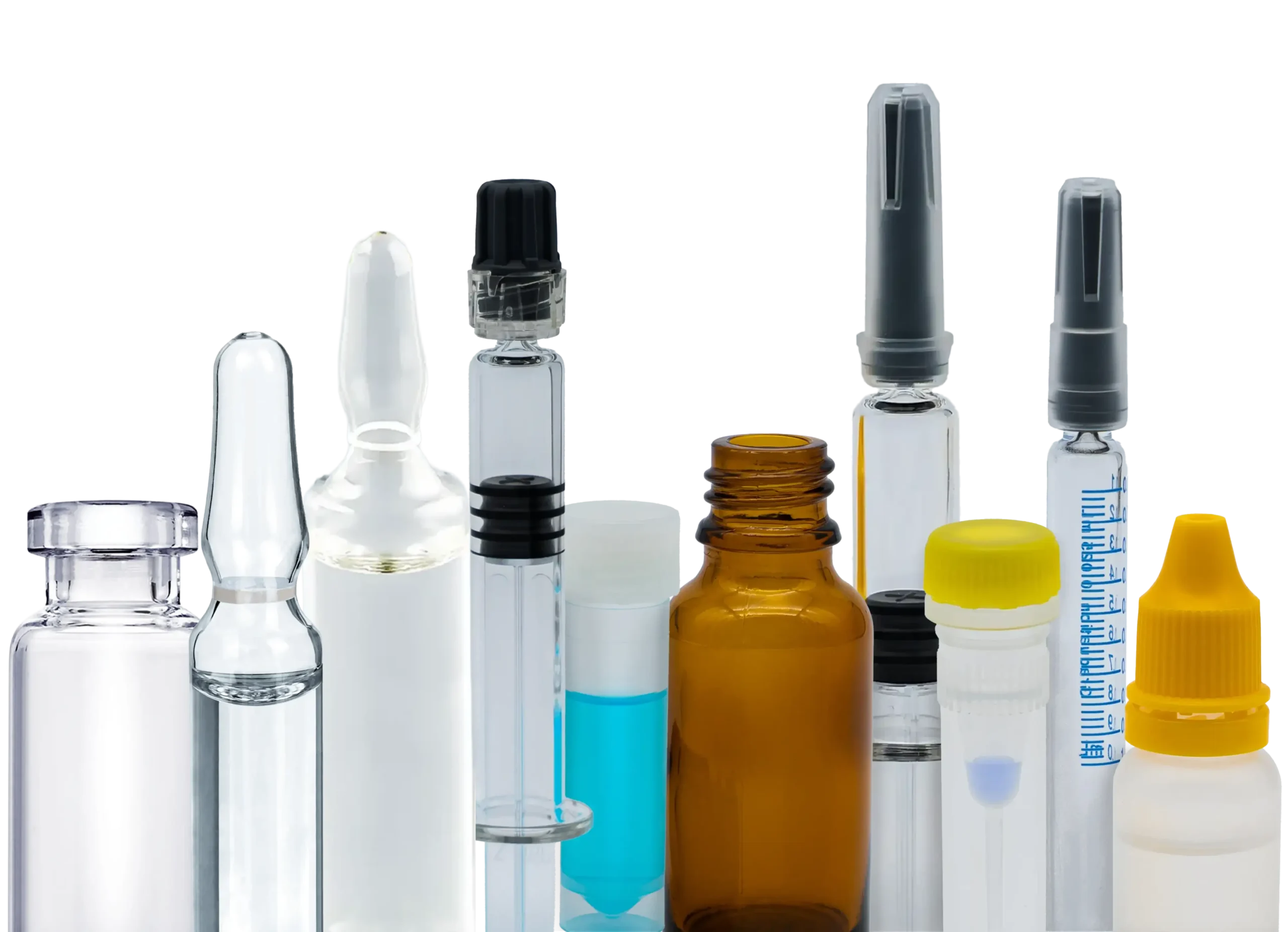
Parenterals are medicinal products administered by bypassing the gastrointestinal tract, usually by injection or infusion. They include injection solutions in ampoules and vials, infusion solutions in bags and bottles, and powders that are dissolved before use. Because they enter tissue or the bloodstream directly, parenterals must be sterile, pyrogen-free and free of visible particles. This […]
Depyrogenation: How Vials and Ampoules Become Endotoxin-Free
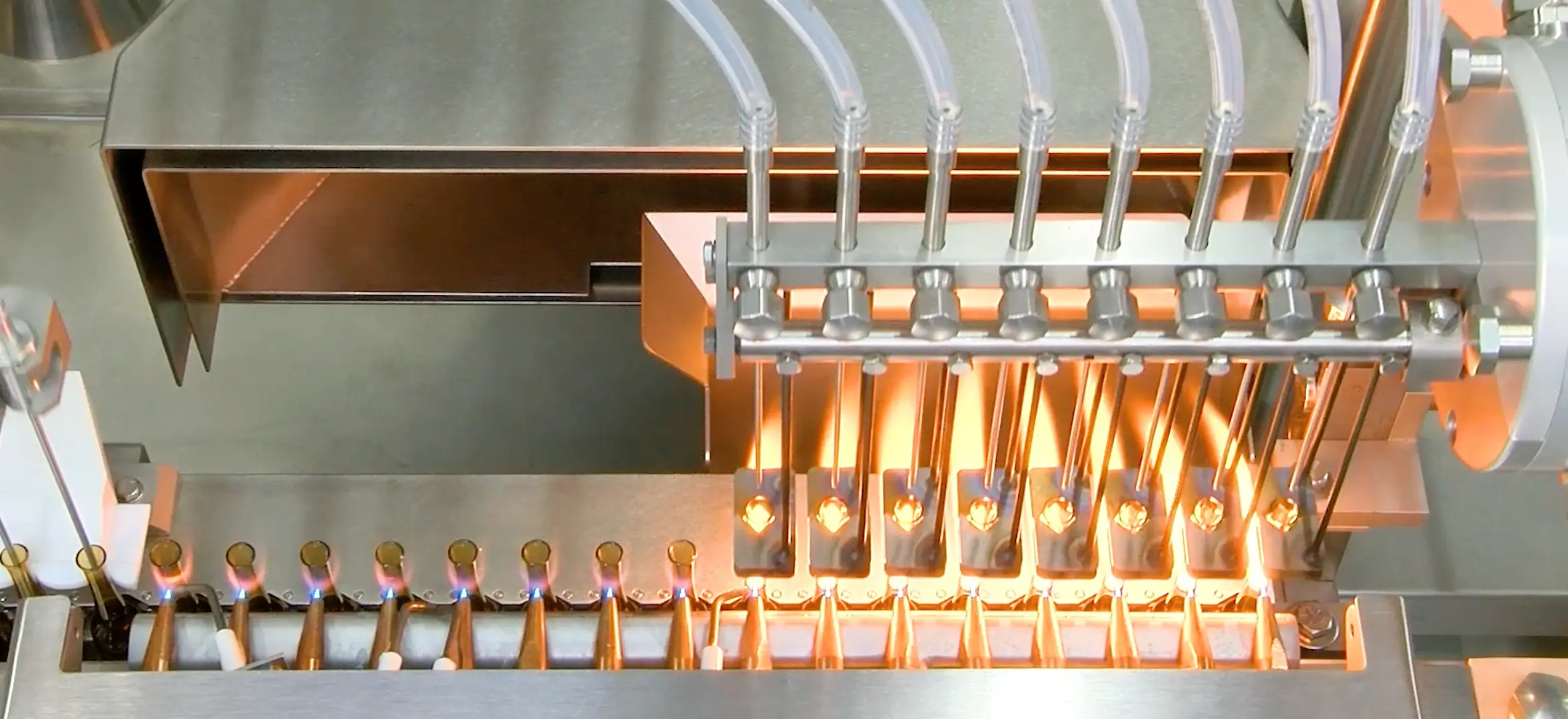
Depyrogenation is the removal or destruction of pyrogens, above all bacterial endotoxins, on vials, ampoules and other packaging materials before sterile filling. Endotoxins are components of dead bacteria that trigger fever in the body and survive normal sterilisation. It is therefore not enough to sterilise containers, they must also be free of endotoxins. This article […]
Water for Injection: Requirements, Production and Role in Filling
Water for injection, or WFI, is the purest water grade in the pharmacopoeia and the most important excipient for injections, infusions and eye drops. It must be practically free of microorganisms, endotoxins and dissolved substances, because it enters the body directly. Every sterile filling site operates its own treatment system with continuous monitoring for this […]
Container Closure Integrity: Leak Testing for Vials and Ampoules
Container closure integrity, or CCI, refers to the tightness of a pharmaceutical container throughout its shelf life. A vial, an ampoule or a syringe must prevent microorganisms, gases or liquids from entering and product from escaping. Testing this integrity has been regulated in detail since the revision of Annex 1 and is part of every […]