

Pharmaceutical contract manufacturing means producing medicinal products on behalf of other companies, from compounding the active solution to the packaged product. A contract filler, on the other hand, only takes over the fill finish step, meaning the sterile filling of an already manufactured solution. The two terms are often used interchangeably, but they describe different depths of service with different responsibilities. This article explains the differences and shows which model suits which project.
Key takeaways
- The contract manufacturer takes over manufacturing, filling and packaging, the contract filler only the filling of the delivered bulk solution.
- In both cases the marketing authorisation holder remains responsible, and the quality agreement defines the boundaries.
- Lubeca fill works as a contract manufacturer and contract filler for sterile liquids, injections, ophthalmic preparations and diagnostics.
What is pharmaceutical contract manufacturing?
A contract manufacturer covers all the steps that turn API and excipients into a marketable medicinal product. It compounds the solution, sterile filters or sterilises it, fills it, tests the batch in its own laboratory and packages it. For this it needs a manufacturing authorisation for the respective dosage forms and works according to EU GMP. The client supplies formulation, specifications and usually the API.
What is a contract filler?
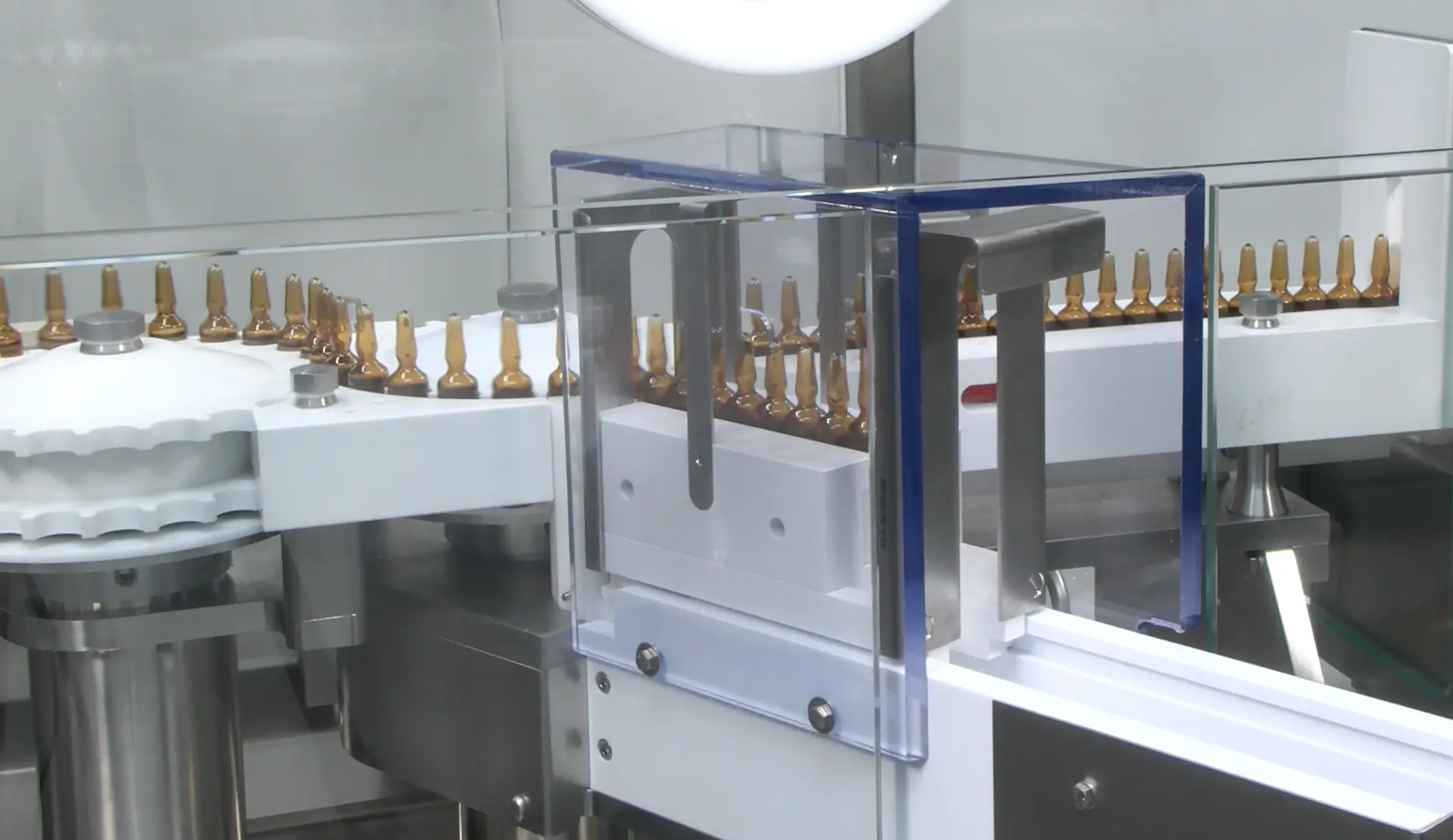
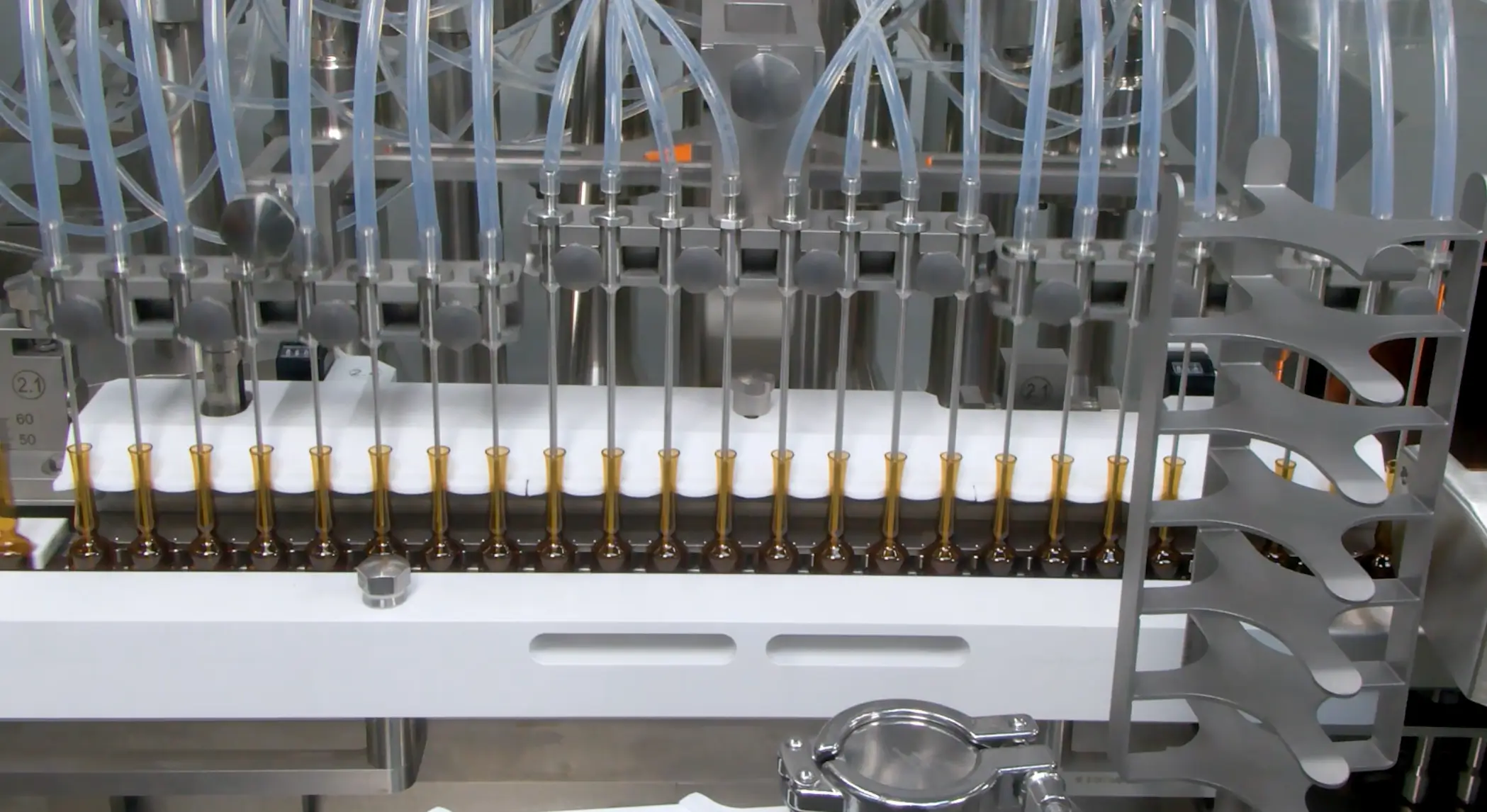
The contract filler concentrates on the last part of manufacturing. It receives the finished bulk solution or prepares it according to specification and fills it into ampoules, vials or bottles. Closing, leak testing, visual inspection and labelling are included. Analytical release and packaging can be handled by the client or by another partner. The contract filler also needs a manufacturing authorisation, because filling legally counts as manufacturing.
Contract manufacturer and contract filler compared
| Service | Pharmaceutical contract manufacturer | Contract filler |
|---|---|---|
| Compounding of the solution | yes | optional |
| Sterile filtration and filling | yes | yes |
| Analytical testing of the batch | yes, own laboratory or contract laboratory | in-process controls, release testing usually at the client |
| Packaging and serialisation | yes | optional |
| Batch release | by own or agreed Qualified Person | by the Qualified Person of the client or importer |
| Typical client | company without its own production | company with its own manufacturing but without sterile filling capacity |

Which model suits your project?
You have no production of your own
Then the pharmaceutical contract manufacturer is the right partner. You supply API and specifications, and it takes over the entire process up to the packaged product.
You manufacture yourself, but your sterile line is fully booked
Then a contract filler is sufficient. You supply the bulk solution, it fills and returns the goods for packaging or packages them on request.
You need a second source for filling
A contract filler is also sufficient here, because product and process already exist. The decisive factors are spare capacity and a short route to the EU.
What both models have in common
- The marketing authorisation holder remains responsible for the product
- The site must be listed as a manufacturing site in the marketing authorisation
- A quality agreement defines tests, documentation and reporting channels
- The client audits the site before approval and regularly thereafter
- A technology transfer with validation precedes the start of production
Lubeca fill as contract manufacturer and contract filler
Lubeca fill was founded in 2019 and, as a contract manufacturing organization, specialises in sterile liquids. At the plant in Çorlu near Istanbul, ampoules from 1 to 10 ml, vials, eye and nasal preparations, liquid dosage forms and diagnostics are manufactured and filled. The equipment comes from Groninger, Bausch + Ströbel and Syntegon, and EU GMP certification is currently in preparation. Whether you want to outsource complete manufacturing or only filling is clarified in the first discussion. The difference between CMO and CDMO is explained in the article CDMO or CMO, and the takeover of a product in the article on tech transfer. An overview of the services is given on the page about Lubecafill.
Frequently asked questions about pharmaceutical contract manufacturing
Is a contract filler cheaper than a contract manufacturer?
Per unit usually yes, because the scope of services is smaller. If transport, analytics and packaging at the client are added, this often evens out.
Can a contract filler become a contract manufacturer?
Yes, if it offers compounding, analytics and packaging and its manufacturing authorisation covers these steps.
Who is liable in the event of a quality defect?
Towards patients and authorities, the marketing authorisation holder. Internally, the contract defines who is responsible for which step.
Are you looking for a contract manufacturer or contract filler for sterile products? Contact us.