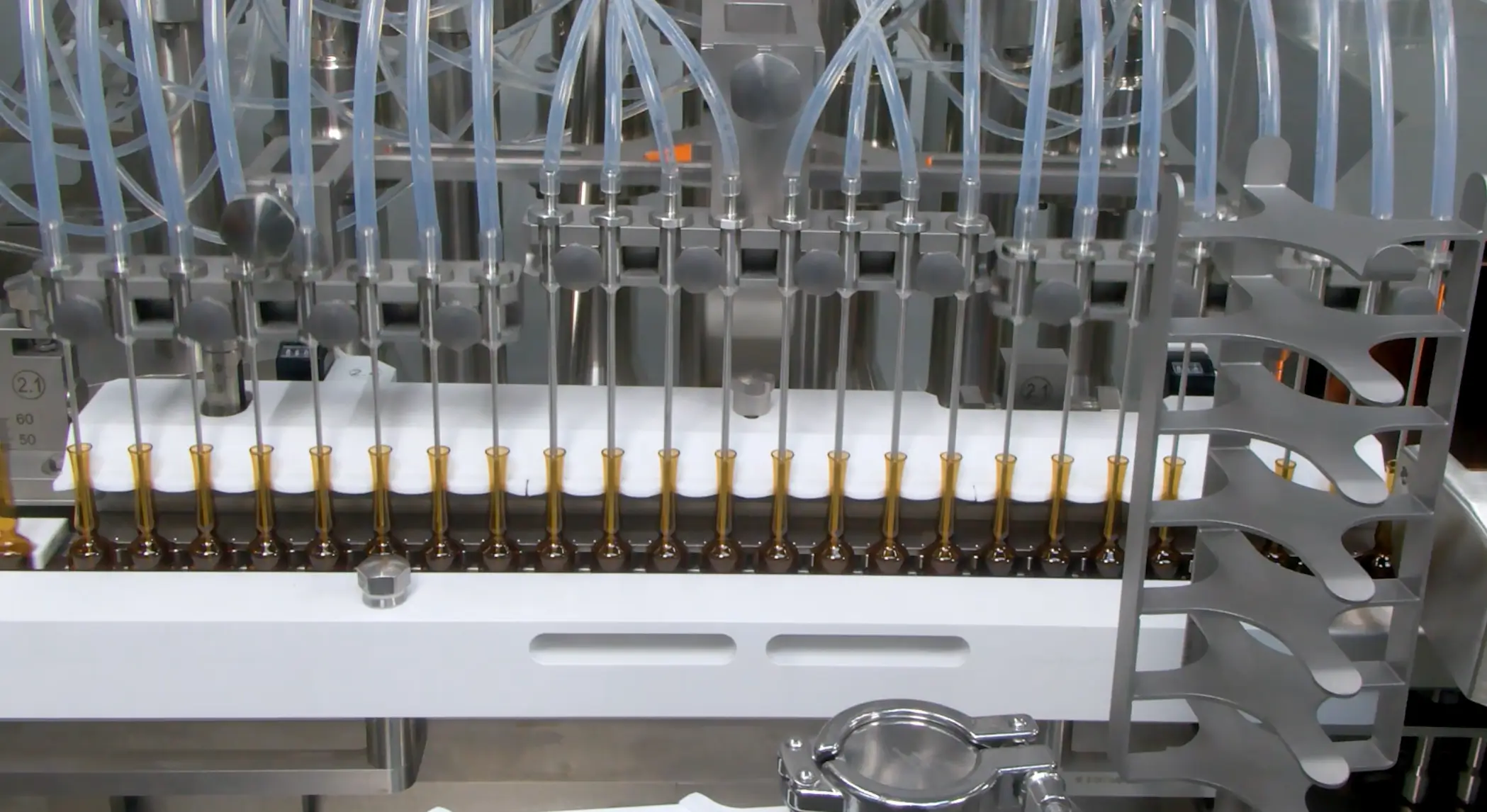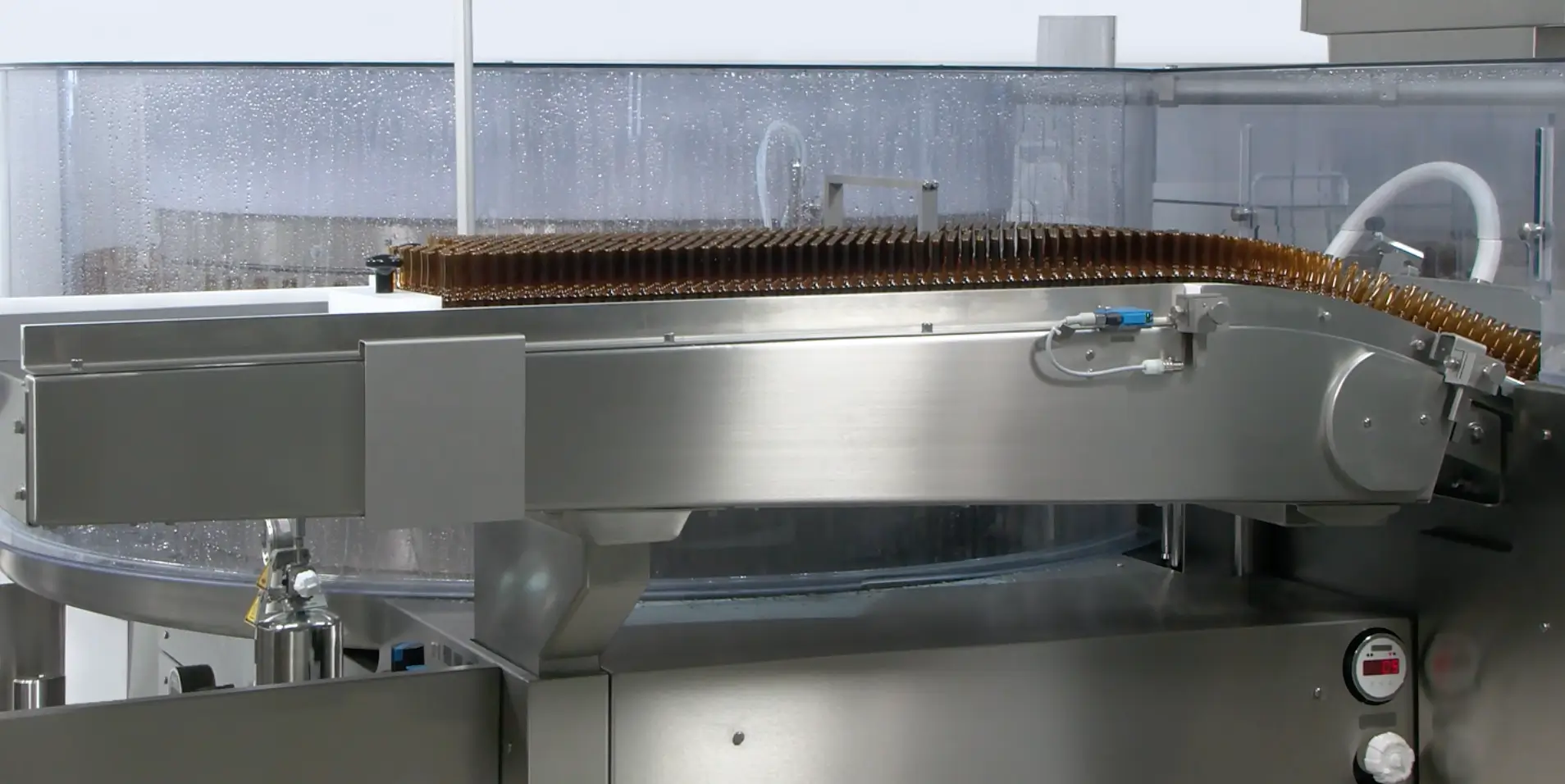


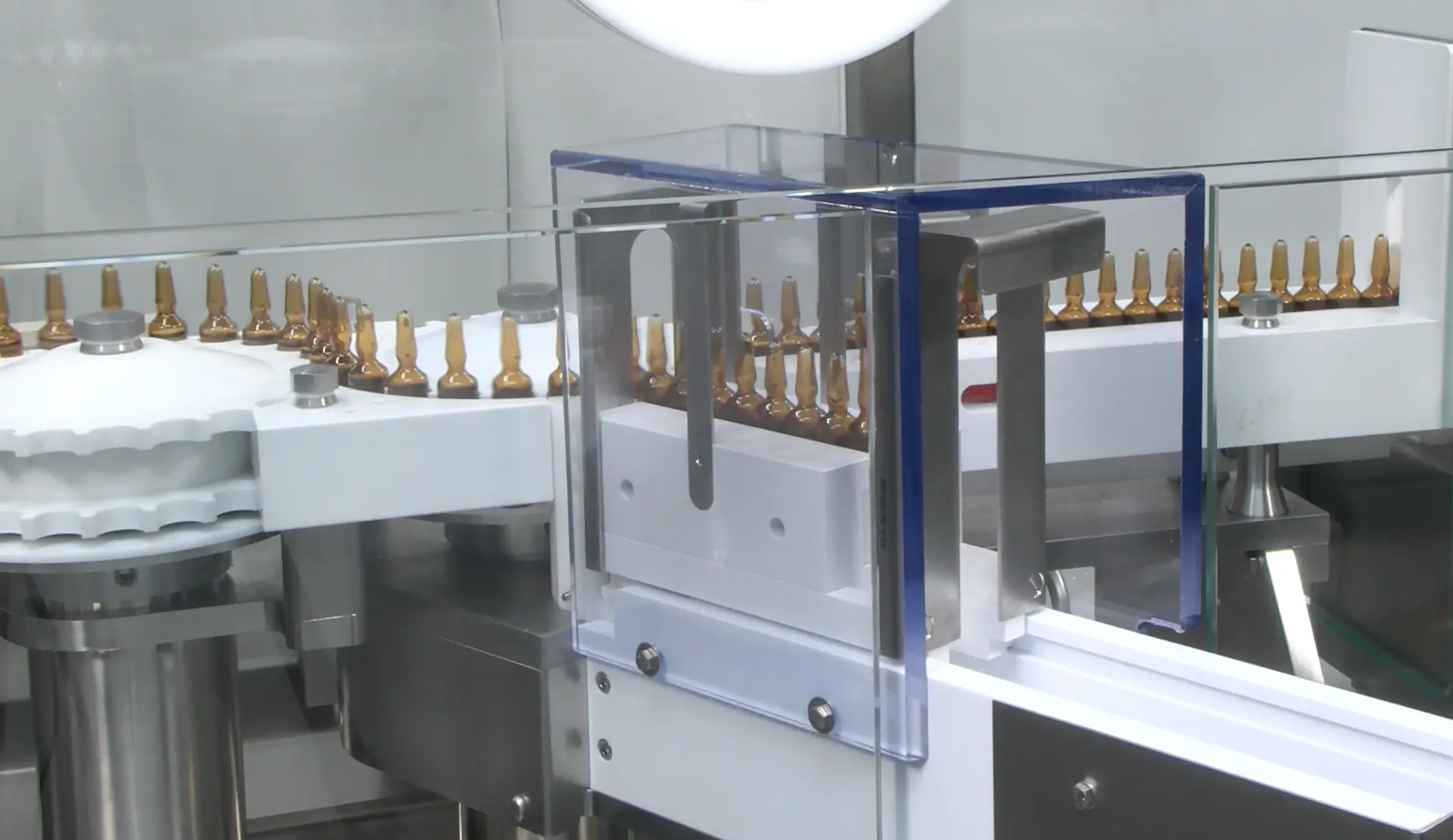
A pharmaceutical isolator is a closed barrier system that completely separates the aseptic filling area from personnel and the surrounding environment. A RABS, restricted access barrier system, also separates, but remains part of the surrounding cleanroom. Both systems are designed to prevent microorganisms from people reaching the product. Since the revision of Annex 1, authorities expect one of the two systems for aseptic processes. This article compares design, operation and cost and shows which questions clients should ask.
Key takeaways
- Isolators are sealed, decontaminated automatically and can be located in a grade C or D cleanroom.
- RABS use protective walls and glove ports but require a surrounding grade B cleanroom.
- Annex 1 requires a barrier system for aseptic filling, and open processing must be justified.
What is an isolator in pharmaceutical production?
The isolator is an enclosed chamber in which filling takes place under grade A. Personnel work exclusively through permanently installed gloves. Before each use, the interior is decontaminated automatically, usually with vaporised hydrogen peroxide. Material enters through airlocks or transfer ports. Because the isolator is sealed, the surrounding room may have a lower cleanroom grade. The requirements are described in Annex 1 of the EU GMP guide, section 4.
What is a RABS?
A RABS encloses the filling line with fixed walls and doors that remain closed during operation. Interventions are made through gloves in the walls. The air in the RABS is supplied through HEPA filters and flows out into the surrounding room. A distinction is made between passive RABS, which use the room air, and active RABS with their own ventilation. Closed RABS remain locked during production, while open RABS allow brief openings after decontamination. The surrounding cleanroom must be grade B.
Isolator and RABS compared
| Criterion | Isolator | RABS |
|---|---|---|
| Separation from personnel | complete, sealed chamber | physical through walls, not airtight |
| Decontamination | automatic, validated, e.g. with hydrogen peroxide | manual cleaning and disinfection |
| Surrounding cleanroom | grade C or D possible | grade B required |
| Sterility assurance | very high | high, dependent on personnel and discipline |
| Investment | higher for the system, lower for the cleanroom | lower for the system, higher for the cleanroom |
| Format change | more complex, decontamination cycle required | faster |
| Typical use | highly potent APIs, biologics, long campaigns | flexible lines with frequent product changes |
What does Annex 1 require?
The revised Annex 1 explicitly names RABS and isolators as means of reducing the risk of contamination. Their use is not mandatory, but the contamination control strategy must justify why a site does without a barrier system. In practice, inspectors now accept open filling under laminar flow only in exceptional cases. New lines are therefore almost always planned with RABS or an isolator.
Which questions should clients ask?
- Which barrier system is installed on the line that fills my product?
- How is the system decontaminated and how is this validated?
- Which interventions are permitted during production and how are they simulated in the media fill?
- How is the integrity of the gloves tested?
- How long does a format change take and what does this mean for my batch sizes?
Barrier systems at Lubeca fill
Lubeca fill was founded in 2019 and built its plant in Çorlu near Istanbul after the revision of Annex 1. The filling lines come from Groninger, Bausch + Ströbel and Syntegon, and EU GMP certification is currently in preparation. Which technology is used on which line is explained during the audit on the basis of the contamination control strategy. The basics are summarised in the article on Annex 1, and process simulation is explained in the article on media fills.
Frequently asked questions about isolators and RABS
Is an isolator always better than a RABS?
In terms of sterility risk, yes. In terms of flexibility and cost per format change, the RABS has advantages. The choice depends on the product portfolio.
May filling take place under laminar flow without a barrier?
Only with justification in the contamination control strategy. For new lines this is no longer considered state of the art.
What is a closed RABS?
A RABS whose doors remain locked during the entire production run. It comes closest to the isolator but still requires a grade B cleanroom.
Would you like to get to know the lines at Lubeca fill? Contact us.