

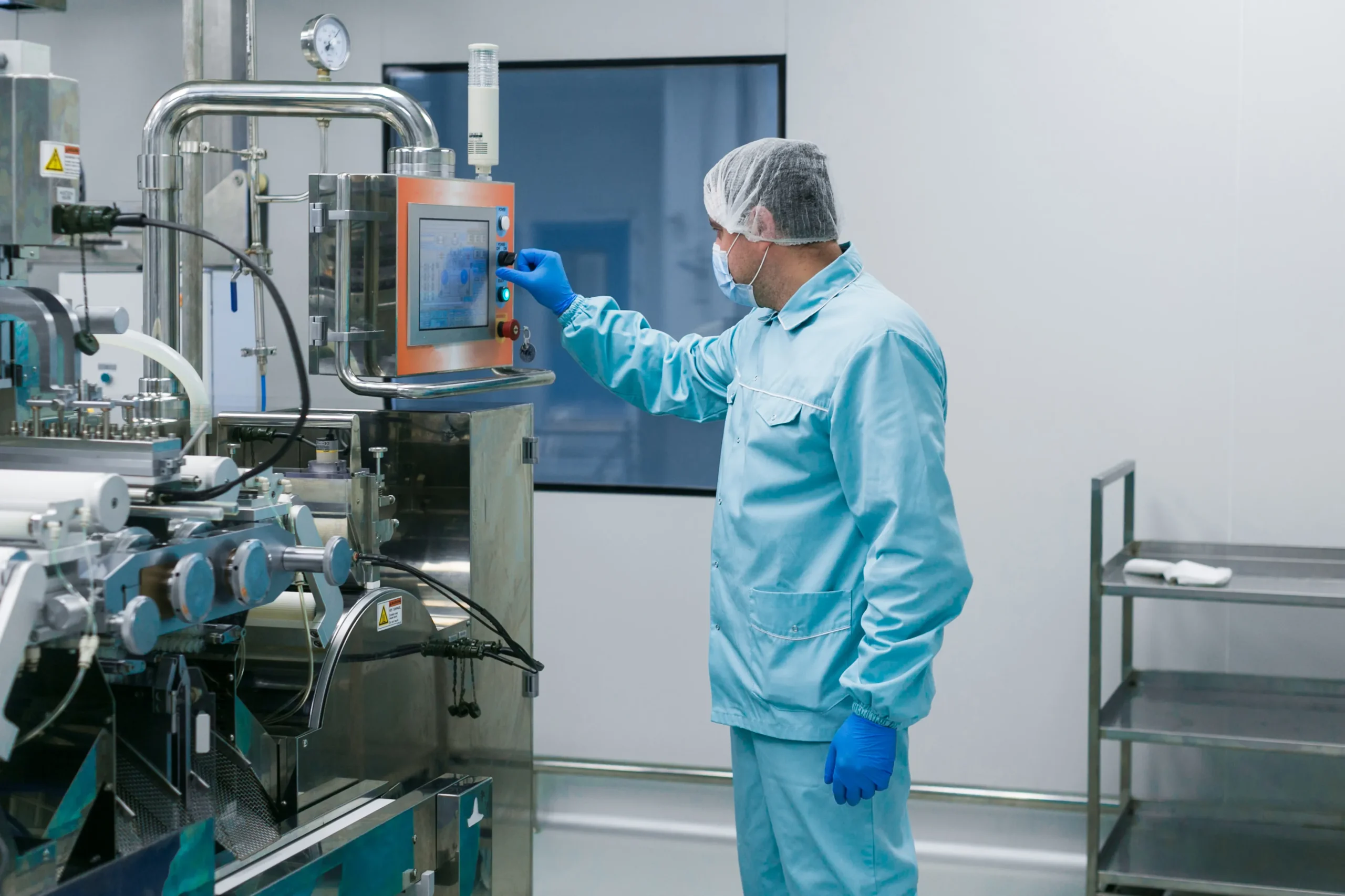
Annex 1 is the annex to the EU GMP guide that regulates the manufacture of sterile medicinal products. The revised version has applied since 25 August 2023 and has significantly tightened the requirements for cleanrooms, barrier systems, process simulation and documentation. For pharmaceutical companies that outsource sterile products to a contract filler, Annex 1 is the benchmark in every audit. This article summarises the most important changes and shows what they mean for working with a filler.
Key takeaways
- The new Annex 1 requires a documented contamination control strategy for every sterile site.
- Barrier systems such as RABS and isolators, personnel qualification and sterile filter testing are regulated in more detail.
- Lubeca fill aligns its processes in Çorlu with Annex 1 and is preparing EU GMP certification.
What is Annex 1 of the EU GMP guide?
The EU GMP guide consists of chapters and annexes. Annex 1 in EudraLex Volume 4 describes the manufacture of sterile medicinal products, meaning injections, infusions, eye drops and other products that must be free of microorganisms. The previous version dated from 2008. After several years of revision, the new version was published in August 2022 and has been binding since August 2023. It applies in the EU and, via PIC/S, in many other countries, including Turkey.
The most important changes at a glance
| Topic | Requirement in the new Annex 1 | Relevance for the client |
|---|---|---|
| Contamination control strategy | Documented overall strategy for contamination control, regularly updated | Ask for the CCS during the audit, it shows the maturity of the site |
| Quality risk management | Risk assessment as the basis for all decisions | Request risk analyses for product and process |
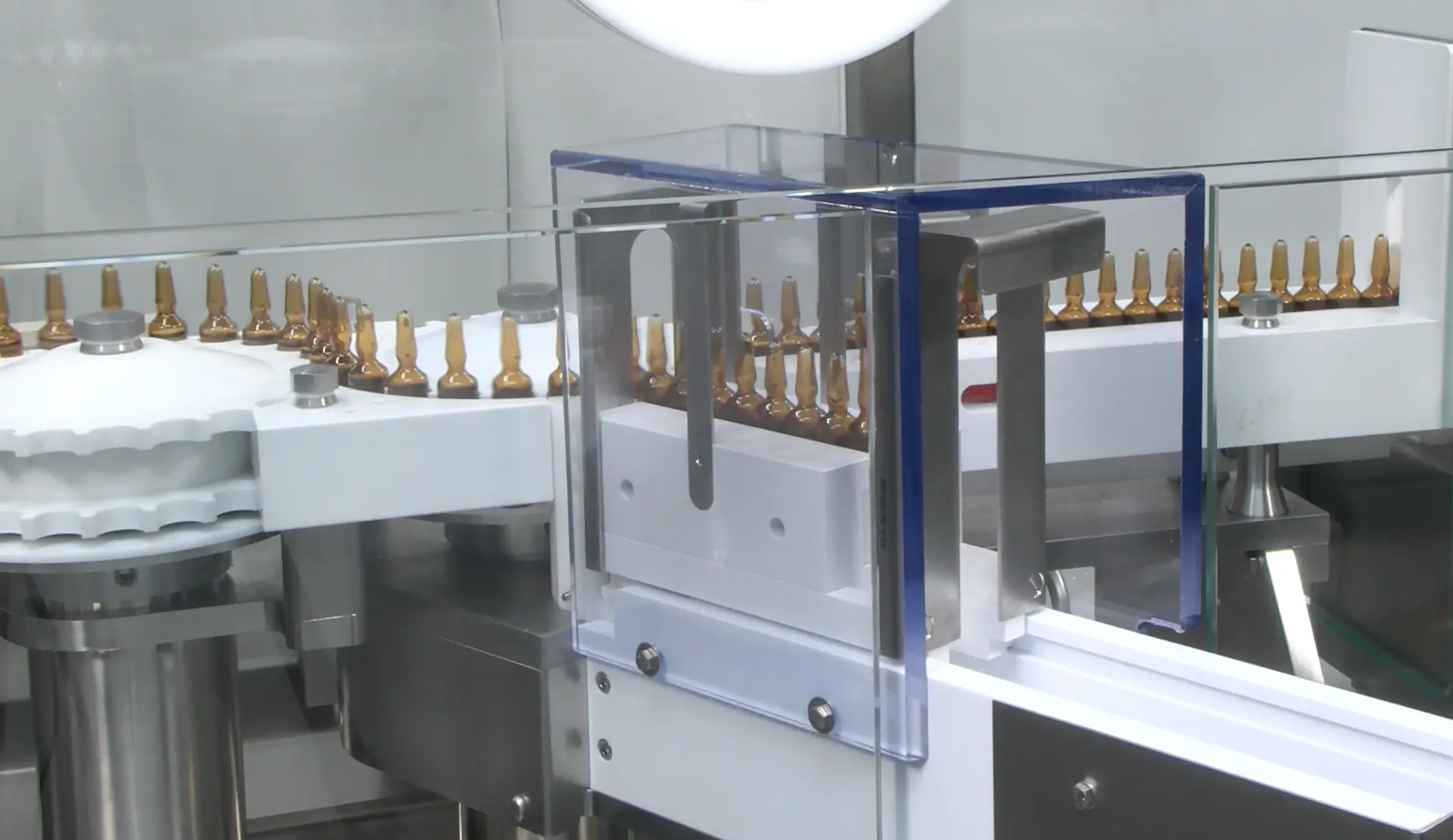
| Barrier systems | RABS or isolators are expected for aseptic processes, open processing must be justified | Check the technology of the filling line |
| Personnel | Gowning qualification, annual requalification, limit on the number of people in grade A and B | Check training and qualification records |
| Sterile filtration | Pre-use post-sterilisation integrity test of the filter, known as PUPSIT | Clarify the filler’s approach to filter testing |
| Process simulation | Media fill at least twice a year per line, worst-case conditions, every unit evaluated | Request the results of the latest media fills |
| Environmental monitoring | Continuous particle monitoring in grade A, trend evaluation, defined limits | Agree trend reports as part of the batch documentation |

What does the contamination control strategy mean?
The CCS is the centrepiece of the new Annex 1. For the entire site it describes which sources of contamination exist and which measures are used to control them. These include room concept, air flow, cleaning, disinfection, personnel behaviour, equipment, packaging materials and monitoring. The strategy must be documented and regularly reviewed on the basis of data. For auditors, the CCS is therefore the first document they request.
Which transition periods applied?
Most requirements have applied since 25 August 2023. For the points on loading and unloading freeze dryers, an extended deadline until 25 August 2024 applied. Sites that are newly built or certified must implement Annex 1 in full from the outset. This is an advantage for new plants, because room concept and equipment can be aligned directly with the current requirements.
What pharmaceutical companies should now expect from their contract filler
- A current contamination control strategy with the date of the last review
- Evidence of cleanroom qualification according to EN ISO 14644-1
- Results of media fills and environmental monitoring from the last twelve months
- Description of the barrier system on the filling line
- Procedure for integrity testing of sterile filters
- Gowning qualification records of personnel
Annex 1 at Lubeca fill
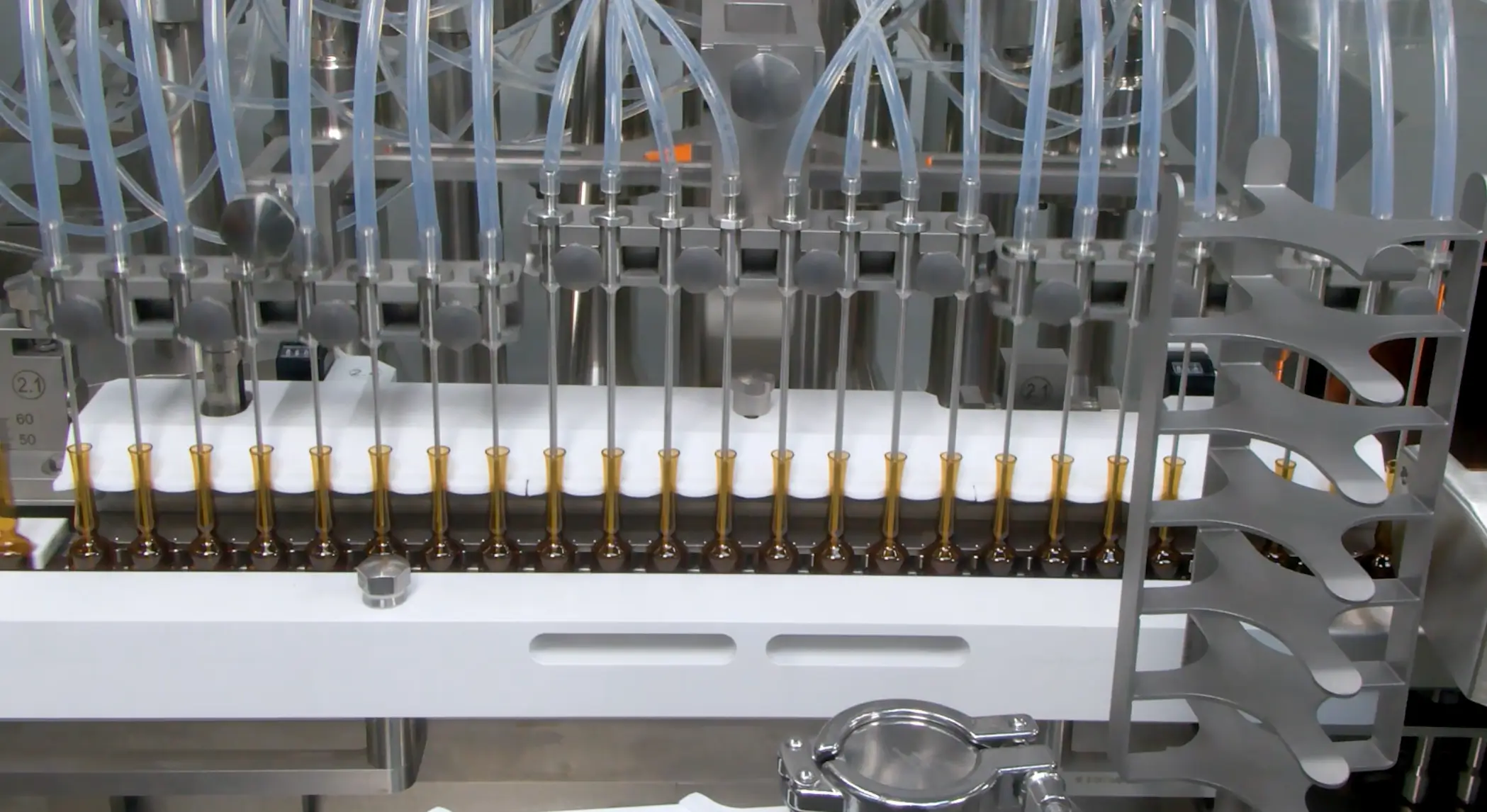
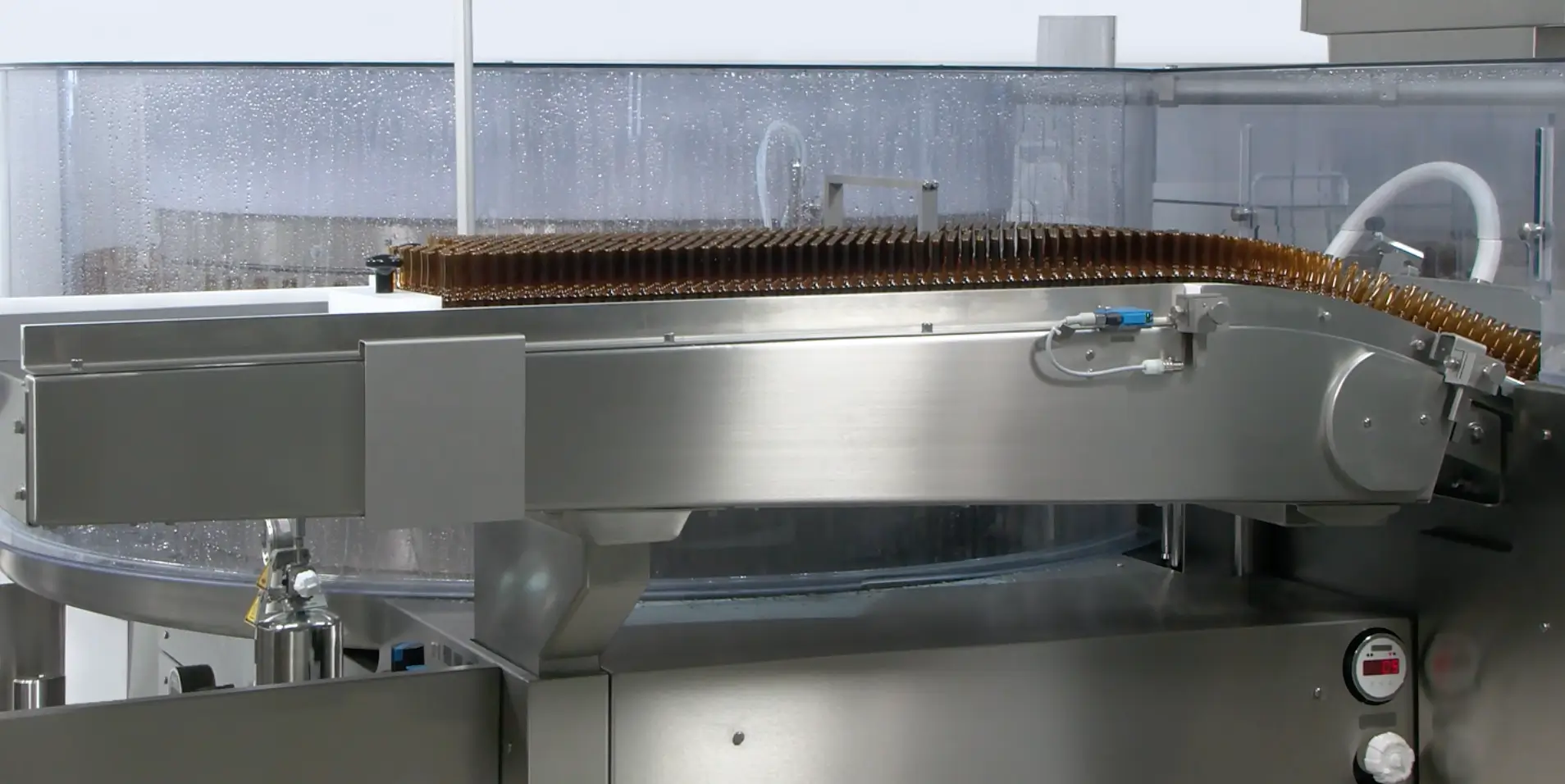
Lubeca fill was founded in 2019 and built its plant in Çorlu near Istanbul after the revision of Annex 1. The equipment comes from Groninger, Bausch + Ströbel and Syntegon. EU GMP certification is currently in preparation, and the processes are already aligned with the current requirements. Lubeca fill fills ampoules from 1 to 10 ml, vials, eye and nasal preparations, liquid dosage forms and diagnostics. How an audit works with us is shown in the article on GMP audits. The basics are explained in the article on contract filling according to EU GMP.
Frequently asked questions about Annex 1
Does Annex 1 also apply outside the EU?
Yes. Via PIC/S the text has been adopted by many authorities, including the Turkish medicines agency. Sites producing for the EU market must comply with it in any case.
Are isolators now mandatory?
No. Annex 1 expects barrier systems but allows RABS and justified alternatives. The decisive factor is the risk assessment in the CCS.
How often must a media fill be carried out?
At least twice a year per filling line, and additionally after significant changes.
Would you like to know how Lubeca fill implements Annex 1? Contact us and we will present our documentation.