

The IVDR, Regulation (EU) 2017/746 on in vitro diagnostic medical devices, has governed since 26 May 2022 how tests, reagents and control materials are placed on the market in the EU. It replaces the earlier directive and requires manufacturers to provide significantly more evidence on performance, quality management and the supply chain. Anyone who outsources the filling of reagents to a service provider must integrate that provider into their quality system. This article explains what the IVDR means for contract filling.
Key takeaways
- The IVDR divides in vitro diagnostics into risk classes A to D, and from class B a notified body is involved.
- The manufacturer remains responsible for the entire product, even if filling or packaging is outsourced.
- Lubeca fill fills diagnostic liquids into micro screw tubes and bottles and documents every batch traceably.
What does the IVDR regulate?
Regulation (EU) 2017/746 applies to all in vitro diagnostics, meaning products that examine samples from the human body, from blood glucose test strips to PCR tests. It requires a clinical performance evaluation, a quality management system, technical documentation, the unique device identification UDI and registration in the EUDAMED database. The higher the risk class, the more extensive the review by a notified body.
The risk classes of the IVDR
| Class | Risk | Examples | Conformity assessment |
|---|---|---|---|
| A | low | Buffer solutions, wash solutions, laboratory accessories | Manufacturer’s own responsibility, sterile products with notified body |
| B | moderate | Pregnancy tests, cholesterol tests, control material | Notified body reviews the quality management system |
| C | high for the individual | Infection tests, cancer markers, genetic tests, self-tests | Notified body reviews quality management and technical documentation |
| D | high for individuals and the public | Blood grouping, HIV and hepatitis tests for blood donations | Notified body plus EU reference laboratory, batch verification |
Which transition periods apply?
Because the capacity of notified bodies was insufficient, the EU has extended the deadlines several times. Under the current rules, products with a certificate under the old directive may still be placed on the market until the end of 2027 for class D, the end of 2028 for class C and the end of 2029 for class B and sterile class A products, depending on the class. The prerequisite is that the manufacturer has already set up a quality management system under the IVDR and has applied to a notified body.
What does the IVDR mean for contract filling?
The manufacturer within the meaning of the IVDR is whoever places the product on the market under their own name. They bear responsibility for every step, including filling at a service provider. The filler is therefore managed as a critical supplier and integrated into the quality management system under ISO 13485. In practice this means a supplier audit, a quality agreement, agreed specifications and complete batch documentation.
- The manufacturer defines specifications for reagent, container, fill volume and labelling
- The filler documents raw materials, compounding, filling and tests for each batch
- Batch number and UDI must be traceable on container and packaging
- Changes to the process are notified to the manufacturer in advance
- The manufacturer may audit the filler at any time, and notified bodies can do so as well
Filling of diagnostics at Lubeca fill
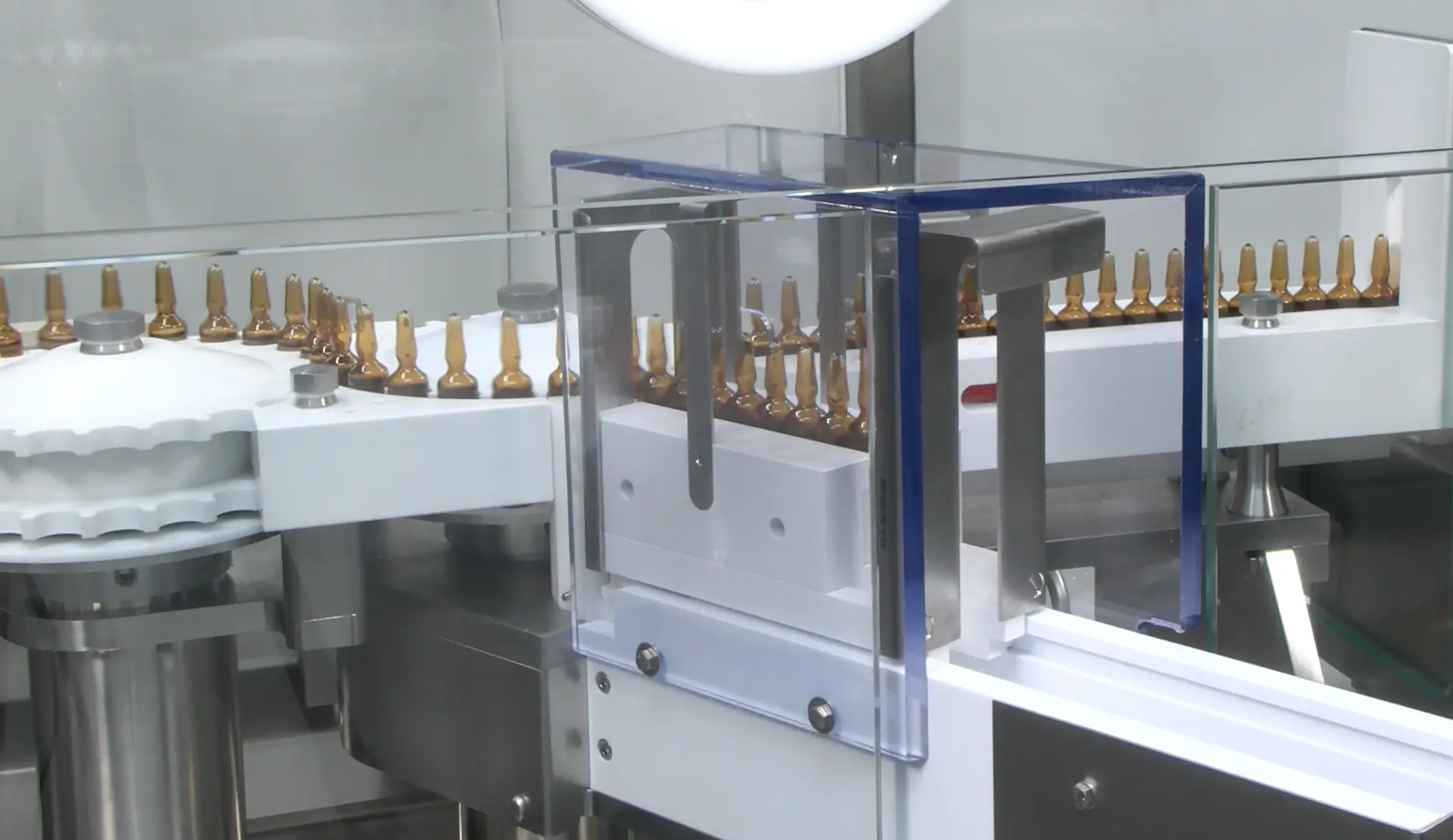
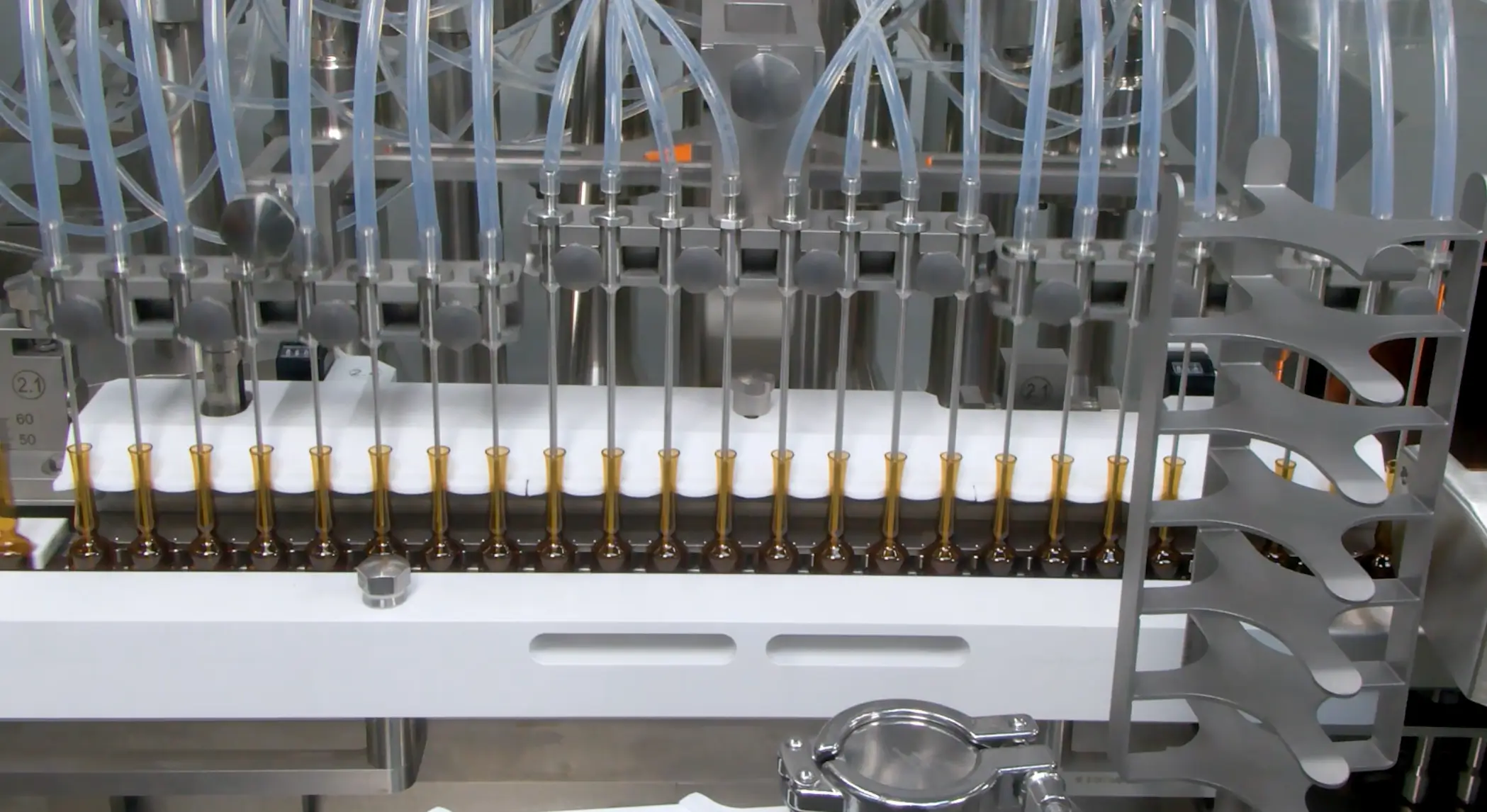
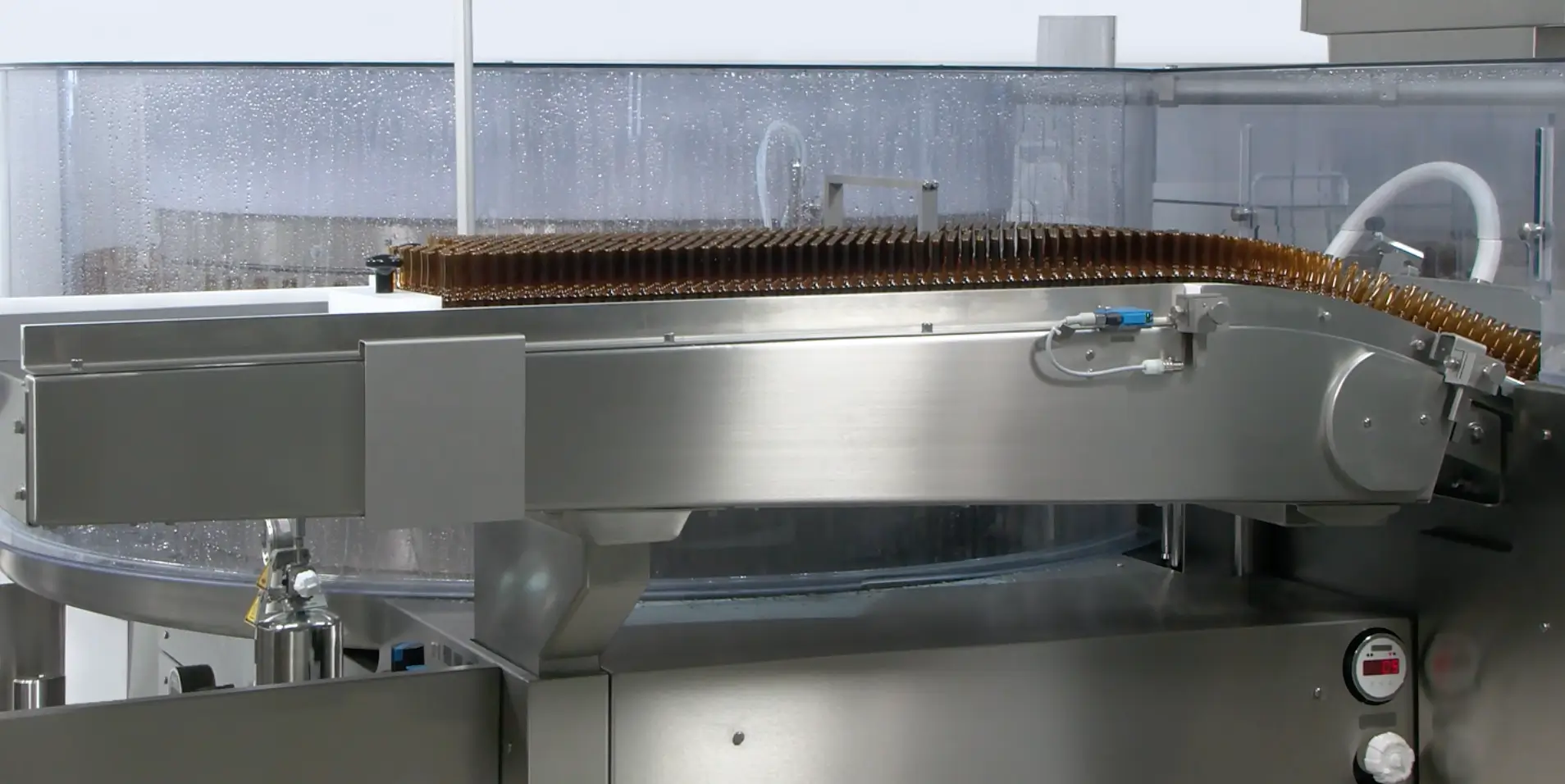
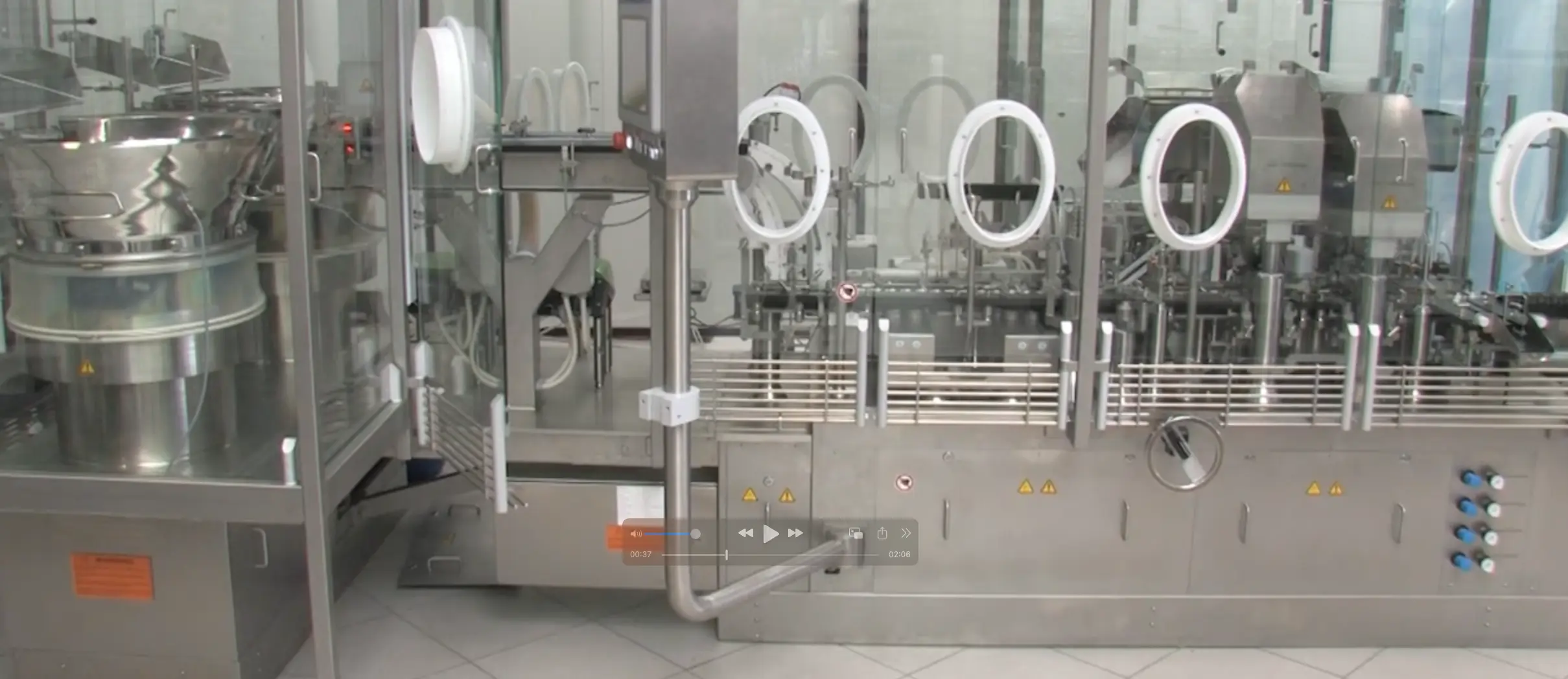
Lubeca fill was founded in 2019 and fills diagnostic liquids such as reagents, buffers and control solutions in Çorlu near Istanbul. The equipment fills micro screw tubes of 0.5, 1.5 and 2.0 ml as well as bottles from 10 to 250 ml with high dosing accuracy. Every batch is fully documented and labelled with a batch number. The equipment comes from Groninger, Bausch + Ströbel and Syntegon, and EU GMP certification is currently in preparation. Find out more on the page contract filling for diagnostics and laboratory consumables and in the article on buffer solutions.
Frequently asked questions about the IVDR
Does the contract filler need its own IVDR certificate?
No. The manufacturer of the diagnostic is certified. However, the filler must meet the requirements that the manufacturer places on suppliers in its quality system and must be auditable.
Does the IVDR also apply to buffers and wash solutions?
Yes, provided they are placed on the market as part of an in vitro diagnostic or as an accessory. They usually fall into class A.
What is the difference between IVDR and GMP?
GMP applies to medicinal products, the IVDR to diagnostics. A site that manufactures both works with a quality system covering both sets of rules.
Are you looking for a reagent filler that can be integrated into your quality system? Contact us.