

Water for injection, or WFI, is the purest water grade in the pharmacopoeia and the most important excipient for injections, infusions and eye drops. It must be practically free of microorganisms, endotoxins and dissolved substances, because it enters the body directly. Every sterile filling site operates its own treatment system with continuous monitoring for this purpose. This article explains the requirements, the production methods and the role of water in the fill finish process.
Key takeaways
- Water for injection must comply with the monograph of the European Pharmacopoeia, including less than 0.25 endotoxin units per millilitre.
- It is produced by distillation or, since 2017, also by membrane processes, and stored hot in a circulation loop.
- At a contract filler, water quality, monitoring and trend data are part of the batch documentation.
What is water for injection?
The European Pharmacopoeia distinguishes several water grades. Purified water is used for non-sterile dosage forms, water for injection for parenteral products. WFI is produced in bulk on site and either used directly as a solvent or sterilised and filled into containers. It is used for compounding the product solution, for the final rinse of equipment and packaging materials and for cleaning product-contact parts.
Which requirements apply?
| Test parameter | Limit according to European Pharmacopoeia | Why it matters |
|---|---|---|
| Conductivity | not more than 1.3 µS/cm at 25 degrees Celsius | indicates dissolved ions |
| Total organic carbon | not more than 0.5 mg/l | indicates organic impurities |
| Bacterial endotoxins | less than 0.25 IU/ml | endotoxins cause fever and are not destroyed by sterilisation |
| Microbial count | action limit 10 CFU per 100 ml | early warning of biofilm in the system |
| Nitrate, aluminium, heavy metals | product-dependent, partly defined in the monograph | protection of sensitive patient groups |
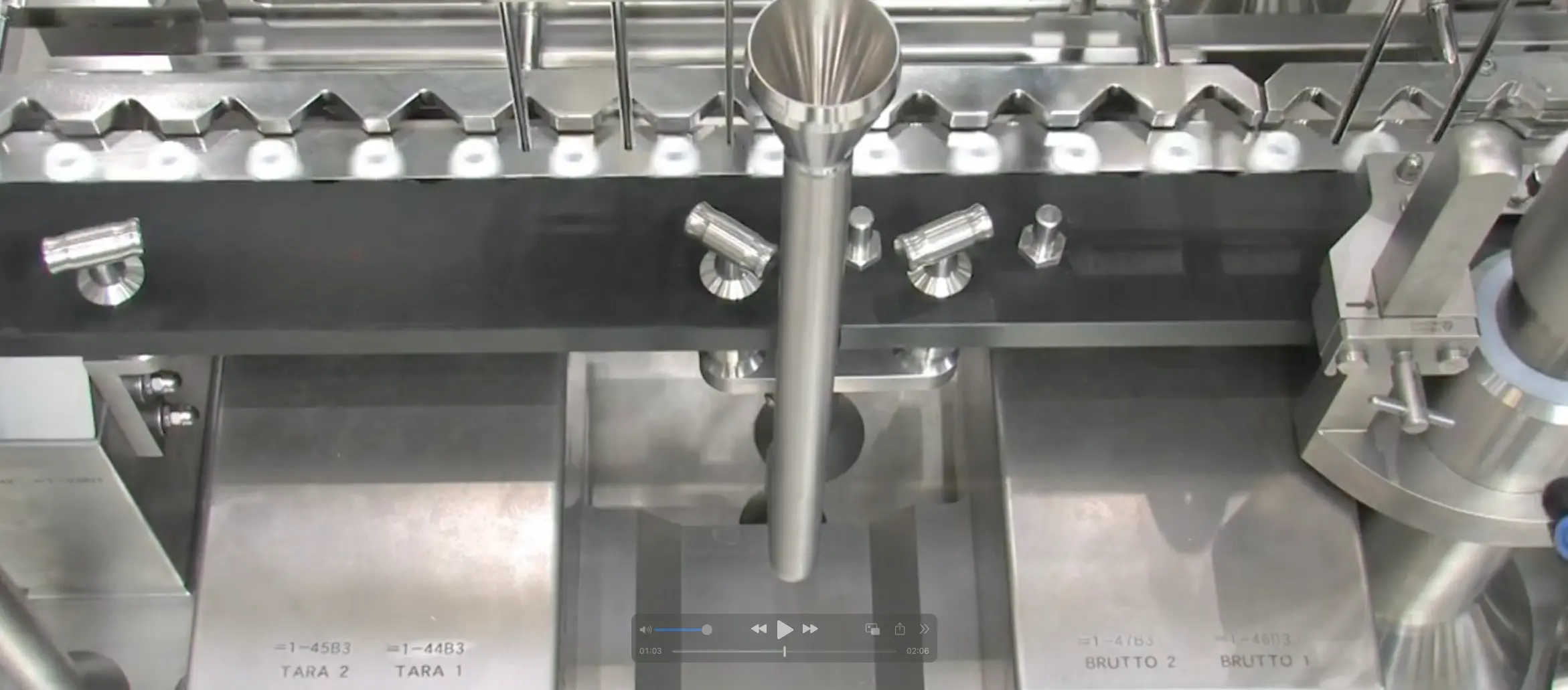
How is water for injection produced?
Distillation
For a long time, distillation was the only permitted method in Europe. Multi-effect stills or vapour compression units evaporate purified water and condense it again. Microorganisms, endotoxins and salts are left behind. The process is robust but energy-intensive.
Membrane processes
Since the monograph was amended in 2017, WFI may also be produced without distillation if the process is demonstrably equivalent. A combination of reverse osmosis, electrodeionisation and ultrafiltration is common. The operator must validate the system comprehensively and control the biofilm risk through monitoring and regular sanitisation.
How is WFI stored and distributed?
After production, the water circulates in a closed stainless steel loop, usually at above 70 degrees Celsius, so that no microorganisms can multiply. Dead legs are avoided and the flow remains turbulent. Samples are taken regularly at the points of use, and all values are evaluated as trends. These trend data are part of the quality system and are reviewed in audits and inspections.
What clients should check at the contract filler
- Production method and validation status of the water system
- Sampling plan and trend data of the last twelve months
- Sanitisation concept and handling of excursions
- Use of WFI for compounding, rinsing and cleaning
Water quality at Lubeca fill
Lubeca fill was founded in 2019 and fills sterile liquids into ampoules, vials and bottles in Çorlu near Istanbul. Water treatment is part of the site qualification, which is documented as part of the preparation for EU GMP certification. The entire filling process is described in the article on fill finish, and the removal of microorganisms from the product in the article on sterile filtration.
Frequently asked questions about water for injection
Is WFI sterile?
WFI in bulk is not sterile, but low in microorganisms and free of endotoxins. Sterile water for injection is a separate product that is sterilised and filled into containers.
Why are endotoxins so critical?
Endotoxins are components of dead bacteria. They survive sterilisation and trigger fever in the body. This is why strict limits apply to WFI.
May purified water be used for eye drops?
No. Eye drops are considered sterile preparations and are manufactured with water for injection.
Do you have questions about water quality in the filling of your product? Contact us.