

Parenterals are medicinal products administered by bypassing the gastrointestinal tract, usually by injection or infusion. They include injection solutions in ampoules and vials, infusion solutions in bags and bottles, and powders that are dissolved before use. Because they enter tissue or the bloodstream directly, parenterals must be sterile, pyrogen-free and free of visible particles. This article explains the term, the types and the requirements for their manufacture.
Key takeaways
- The European Pharmacopoeia groups parenterals in the monograph Parenteral preparations and requires sterility, freedom from endotoxins and particle control.
- A distinction is made between injections, infusions, concentrates, powders for injection and implants.
- Lubeca fill manufactures parenterals in ampoules from 1 to 10 ml and in vials, with equipment from Groninger, Bausch + Ströbel and Syntegon.
What are parenterals?
The term parenteral derives from the Greek par enteron, meaning past the intestine. It covers all preparations that are injected, infused or implanted. The most common routes of administration are intravenous, intramuscular and subcutaneous. Unlike tablets or syrups, there is no barrier such as stomach acid or the intestinal wall to intercept microorganisms or foreign substances. This is why parenterals are subject to the strictest requirements of all dosage forms.
Which types of parenterals exist?
| Type | Description | Typical containers |
|---|---|---|
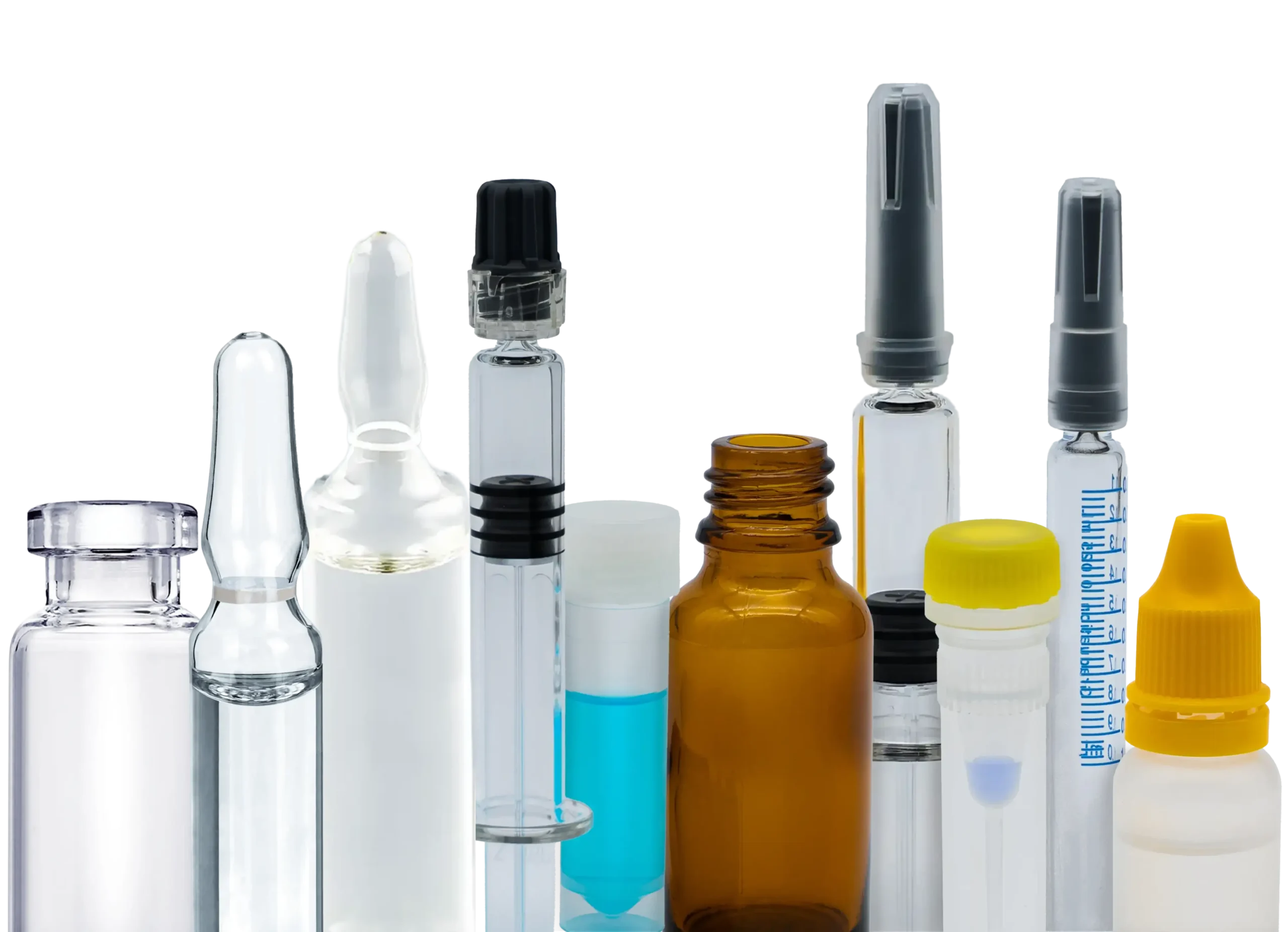
| Injections | Solutions, emulsions or suspensions in small volumes, usually up to 100 ml | Ampoules, vials, prefilled syringes, cartridges |
| Infusions | Aqueous solutions or emulsions in larger volumes for slow administration | Bags, bottles made of glass or plastic |
| Concentrates | Diluted before use | Vials, ampoules |
| Powders for injections or infusions | Solid substances, often freeze-dried, dissolved before use | Vials with stoppers |
| Gels for injection | Viscous preparations for delayed release | Prefilled syringes |
| Implants | Solid preparations inserted under the skin | Applicators |
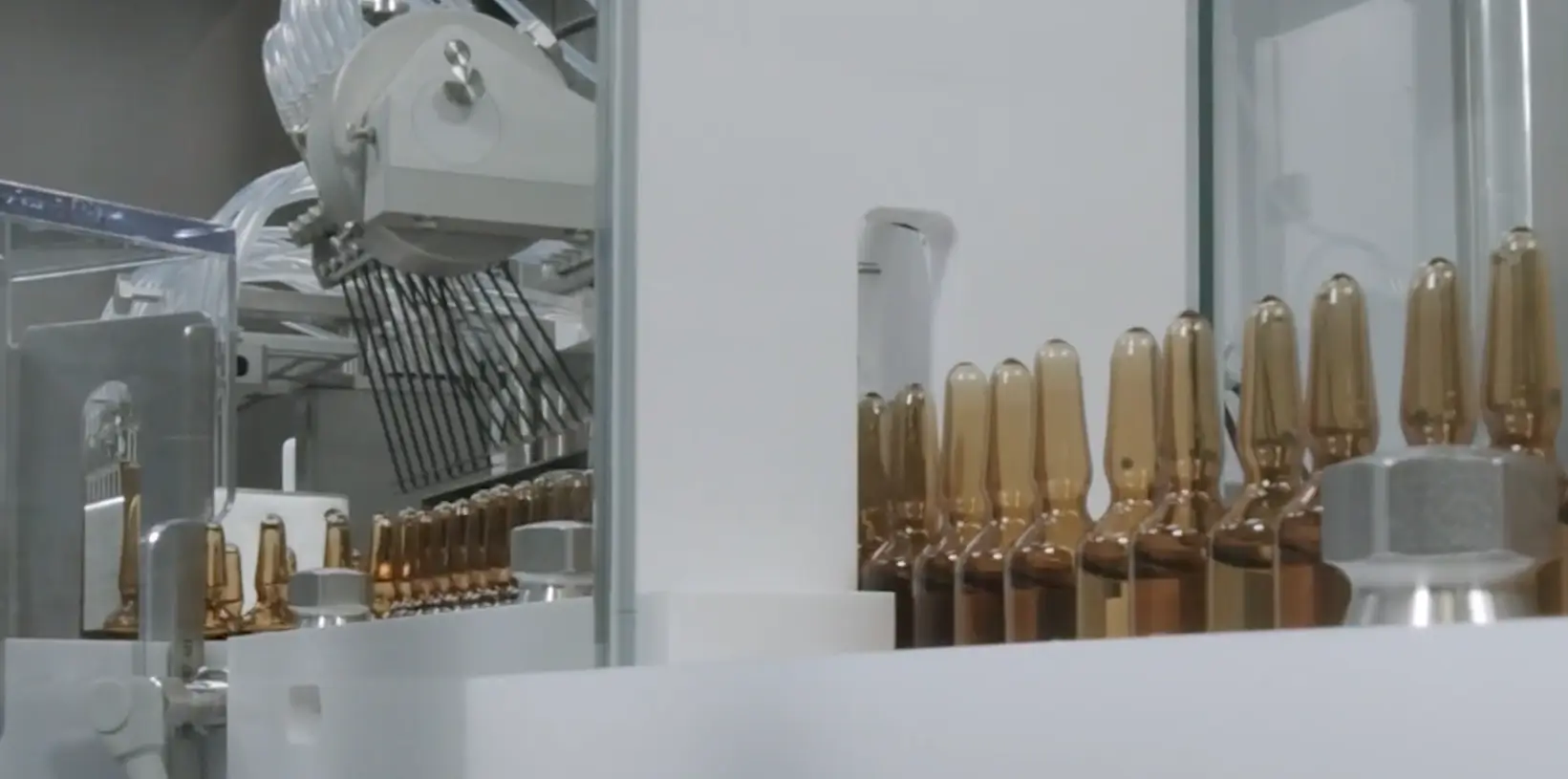
Which requirements does the pharmacopoeia set?
Parenterals must be sterile, and the sterility test is part of every batch release. They must pass the test for bacterial endotoxins or pyrogens, and they must be practically free of visible particles, which is ensured by visual inspection of every unit. In addition there are limits for sub-visible particles, requirements for fill volume, extractable volume and container integrity. Infusions must also be isotonic or labelled accordingly.
How are parenterals manufactured?
Manufacture follows Annex 1 of the EU GMP guide. Heat-stable solutions are preferably sterilised in the final container, usually in an autoclave at 121 degrees Celsius. Heat-sensitive products are sterile filtered and aseptically filled under cleanroom grade A. In both cases, leak testing, visual inspection, labelling and packaging follow. Every step is validated and monitored by environmental monitoring and in-process controls.
Which containers are used?
- Glass ampoules for single doses, closed by fusion
- Vials made of type I glass with rubber stopper and crimp cap
- Prefilled syringes and cartridges for direct use
- Infusion bags and bottles made of plastic or glass
Parenterals at Lubeca fill
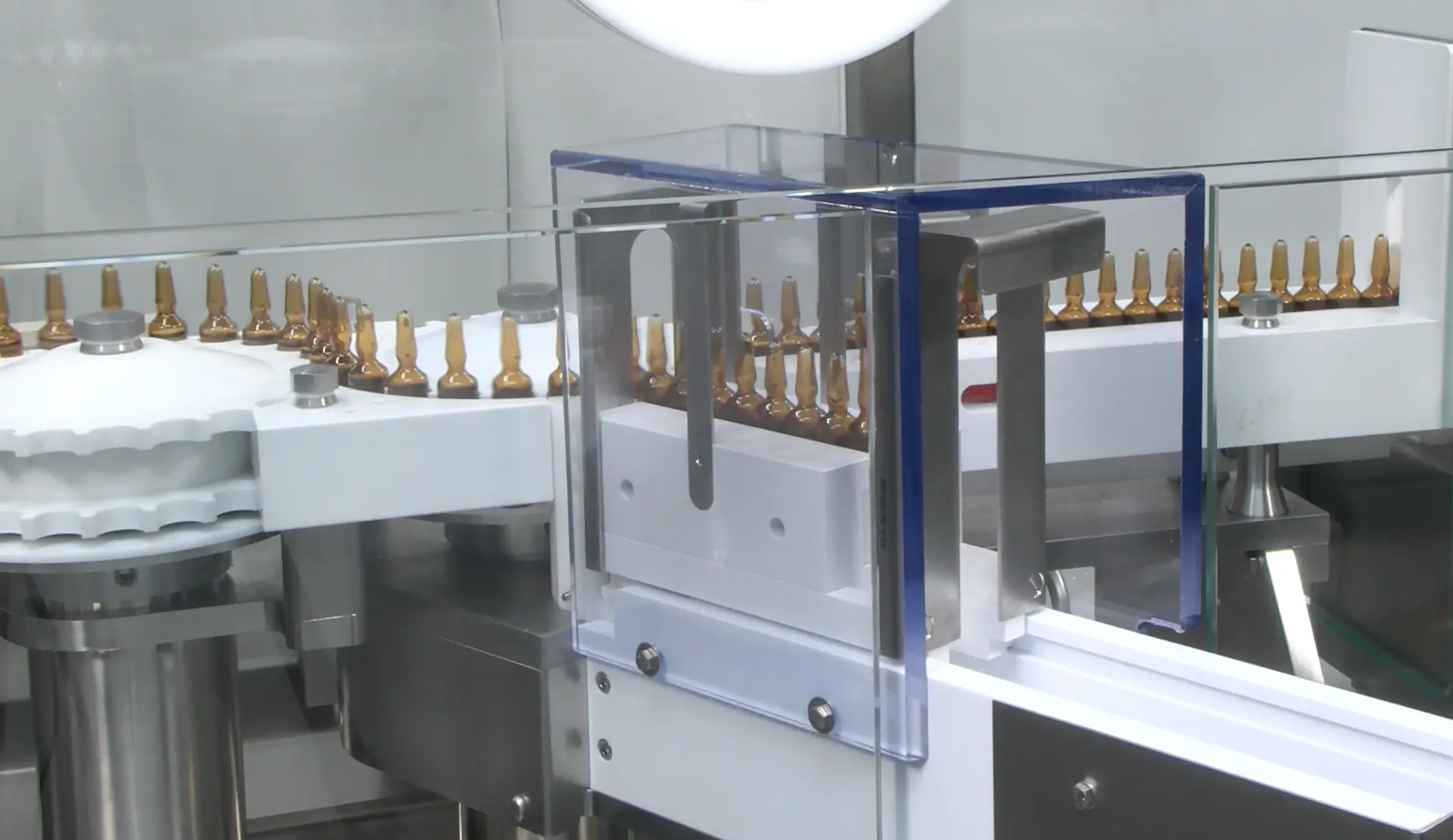
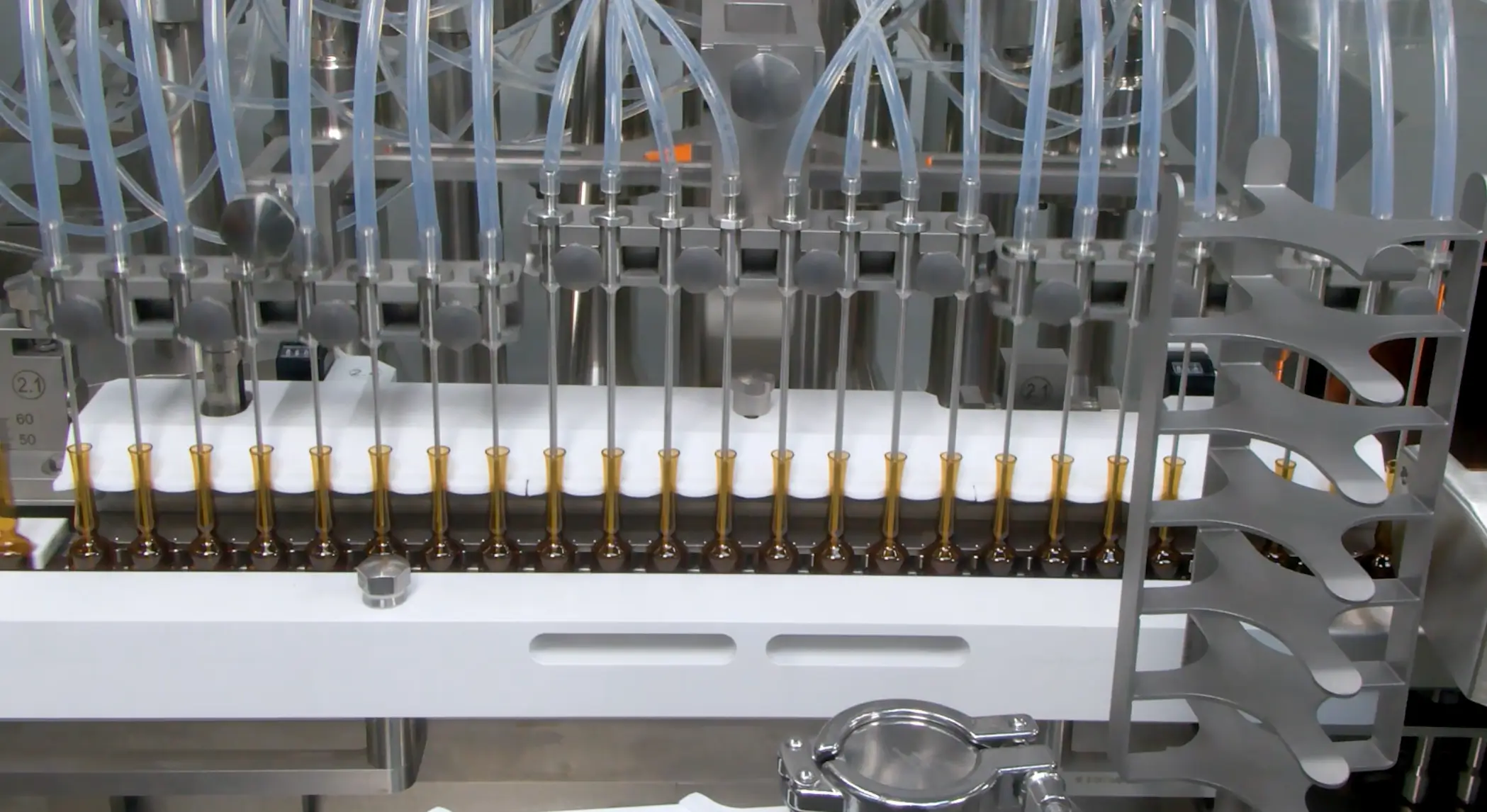
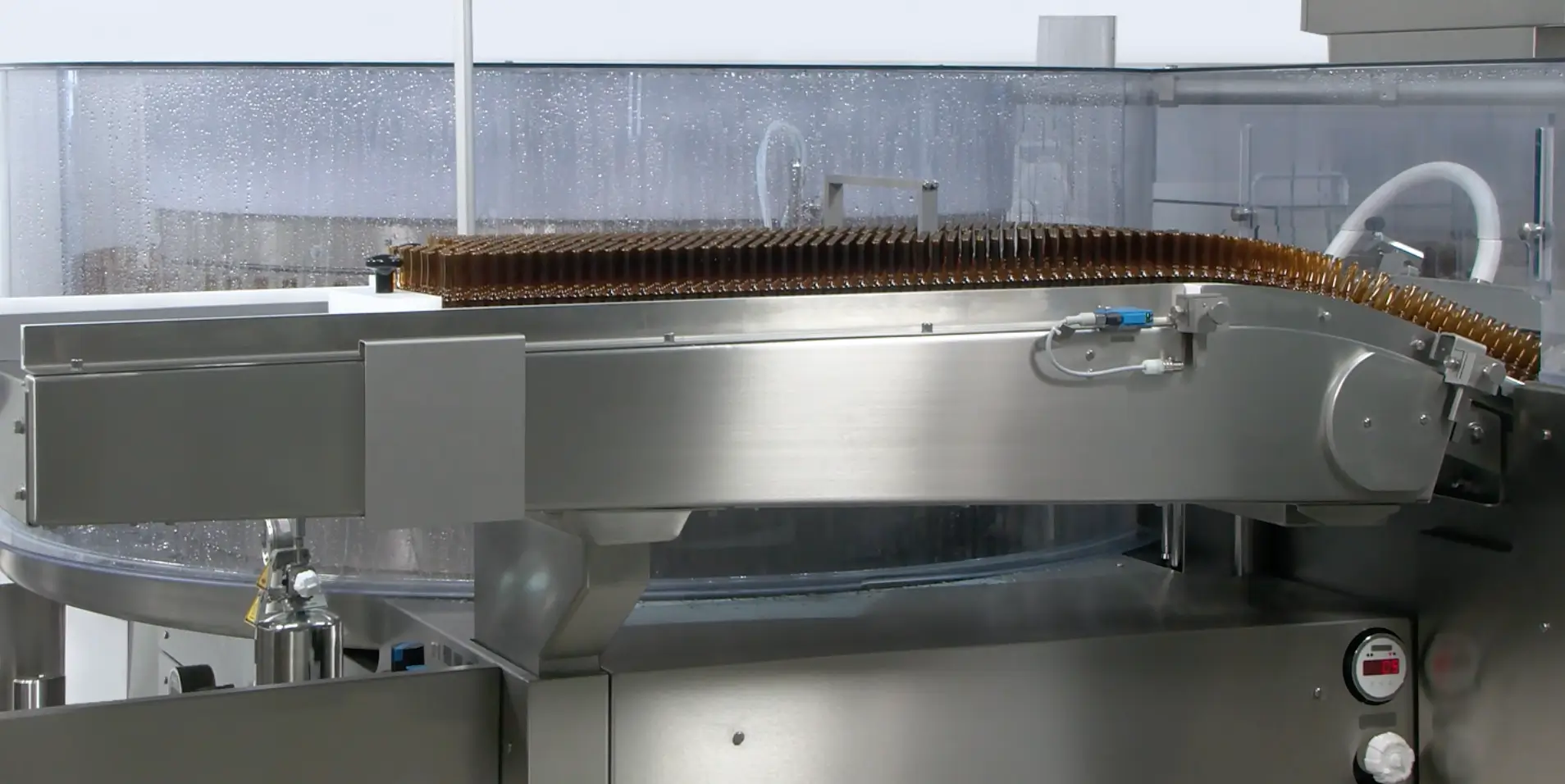
Lubeca fill was founded in 2019 and specialises in the contract filling of sterile liquids. At the plant in Çorlu near Istanbul, injection solutions are filled into ampoules from 1 to 10 ml and into vials, both in the bulk line process and with ready-to-fill packaging. The equipment comes from Groninger, Bausch + Ströbel and Syntegon, and EU GMP certification is currently in preparation. The process is described in the article on fill finish, and container tightness in the article on container closure integrity. Details of the formats can be found on the page ampoule filling.
Frequently asked questions about parenterals
Do eye drops count as parenterals?
No. Eye drops are a separate group but must also be manufactured sterile. The filling requirements are comparable.
Why are suspensions for injection more difficult to manufacture?
They cannot be sterile filtered because the particles get stuck in the filter. All components must therefore be sterilised separately and combined aseptically.
What do single-dose and multi-dose container mean?
Single-dose containers such as ampoules are opened once and discarded. Multi-dose containers contain a preservative and may be used for several withdrawals.
Are you planning the filling of a parenteral product? Contact us.