


CDMO and CMO are two terms for service providers that manufacture medicines on behalf of others. A CMO, a contract manufacturing organization, takes over production according to a finished specification. A CDMO, a contract development and manufacturing organization, additionally supports the development of the product. Which form a pharmaceutical company needs depends on how far the product has been developed. This article explains the difference and helps with the choice.
Key takeaways
- A CMO manufactures and fills, a CDMO additionally develops formulation, process and analytics.
- For finished products with a validated process, a CMO is usually the more economical choice.
- Lubeca fill works as a CMO for sterile liquids and injections with spare capacity in Çorlu near Istanbul.
What is a CMO?
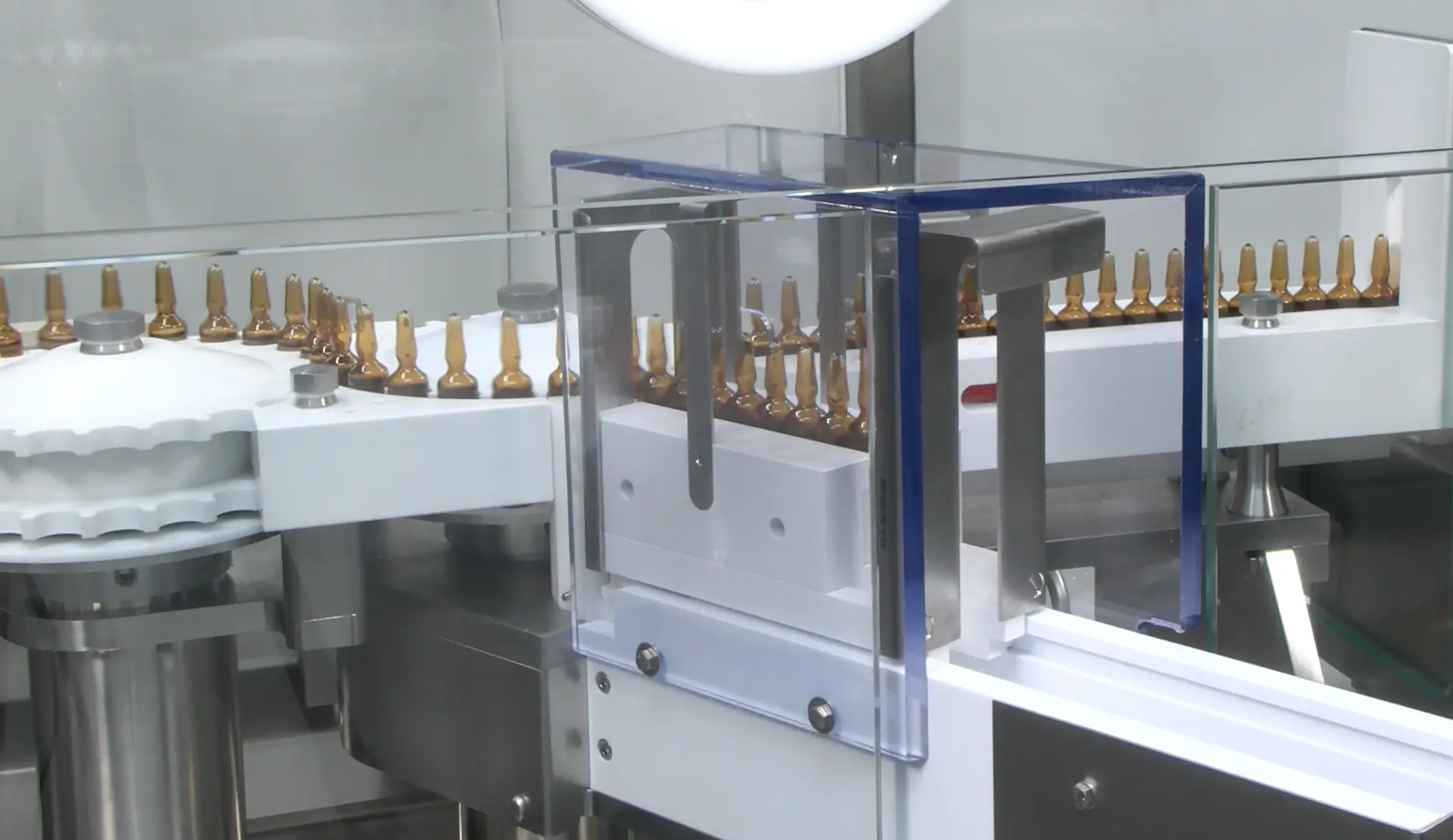
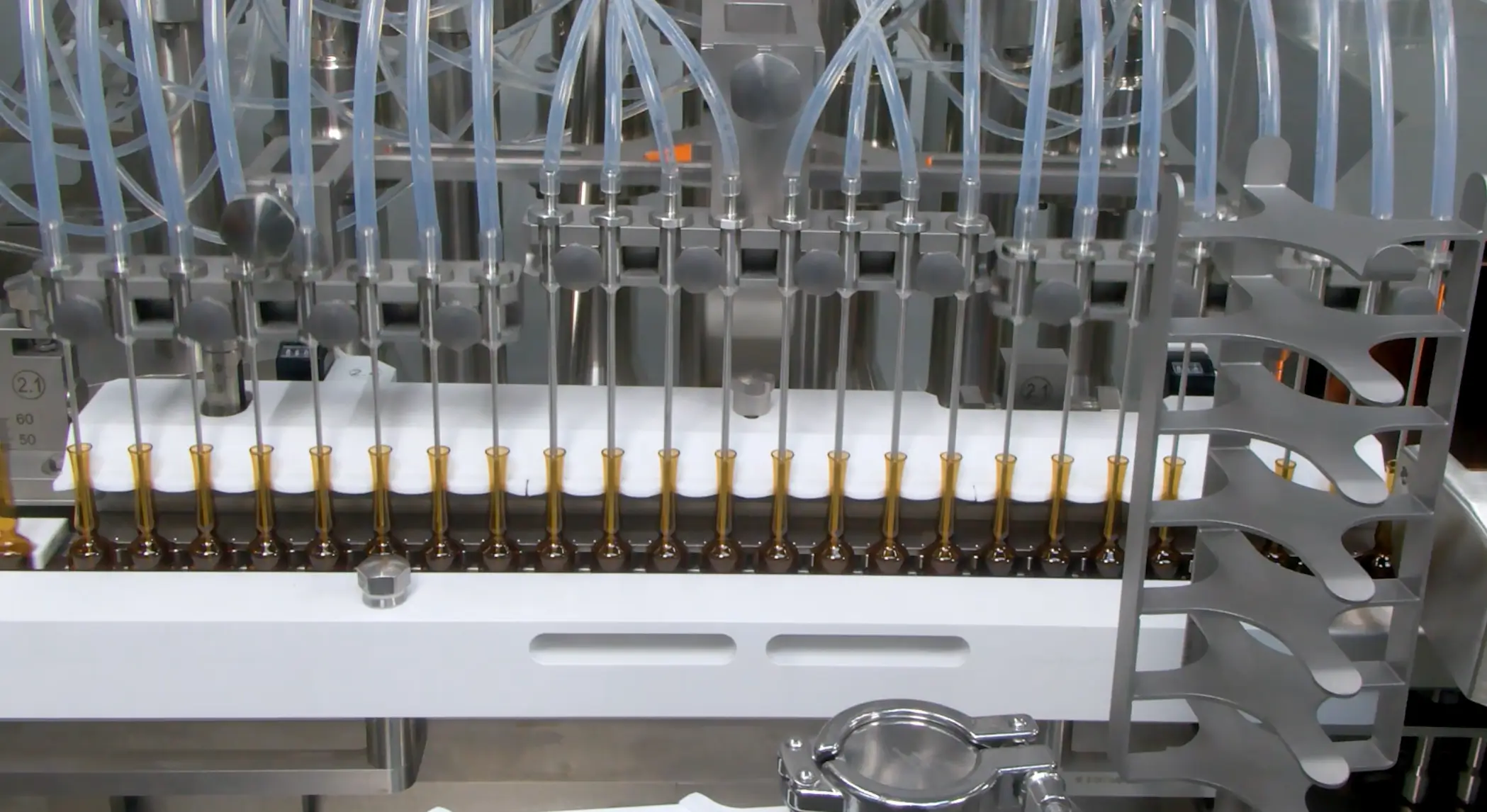
A contract manufacturing organization produces medicines for other companies. The client remains the marketing authorisation holder and supplies formulation, specifications and test methods. The CMO takes over manufacturing, filling, packaging and the associated GMP documentation. Typical services are sterile filling into ampoules and vials, the manufacture of liquid dosage forms and final packaging.
What is a CDMO?
A contract development and manufacturing organization offers the same services and starts earlier. It develops formulations, establishes analytical methods, carries out stability studies and manufactures clinical trial supplies. Pharmaceutical companies without in-house development or biotech firms with a new active ingredient use this model because they get development and production from one source.
CDMO and CMO in direct comparison
| Criterion | CMO | CDMO |
|---|---|---|
| Formulation development | no | yes |
| Development of analytical methods | no, transfer of existing methods | yes |
| GMP manufacturing and filling | yes | yes |
| Process validation | yes, for the transferred process | yes, including process development |
| Typical client | company with a finished, approved product | company with a new API or without in-house development |
| Cost | lower, production only | higher, development included |
| Time to first batch | shorter, tech transfer is sufficient | longer, development comes first |

Which model do you need?
You have an approved product
If your product is approved and the process is validated, you need capacity, not development. A CMO takes over the product via technology transfer and produces at lower cost than a CDMO.
You have a new active ingredient
If formulation, analytics and stability data are missing, a CDMO is the right partner. It takes the product from development to commercial production.
You need a second filling source
A CMO is also sufficient for a second source, because product and process already exist. The decisive factors are spare capacity and a short route to the EU.
What to look for in both models
- GMP status and outcome of the last regulatory inspection
- Experience with your dosage form, for example sterile injections
- Spare capacity and response time for additional demand
- Project management with dedicated contacts
- Contracts on quality, confidentiality and liability
Lubeca fill as a CMO for sterile products
Lubeca fill was founded in 2019 and works as a contract manufacturing organization with a plant in Çorlu near Istanbul, in the European part of Turkey. The equipment comes from Groninger, Bausch + Ströbel and Syntegon. Lubeca fill fills ampoules from 1 to 10 ml, vials, eye and nasal preparations, liquid dosage forms and diagnostics. EU GMP certification is currently in preparation. How a product moves to us is described in the article on tech transfer. The applicable requirements are shown in the article on contract filling according to EU GMP.
Frequently asked questions about CDMO and CMO
Is a CDMO always better than a CMO?
No. For finished products a CMO is faster and cheaper. A CDMO pays off when development work is needed.
Can a CMO also help with the formulation?
Many CMOs support the adaptation of existing processes to their equipment. A complete new development, however, remains the task of a CDMO.
Who is responsible for the product?
The marketing authorisation holder. CMO and CDMO act on its behalf, and batch release is carried out by a Qualified Person.
Are you looking for a CMO with spare capacity for sterile products? Contact us.