

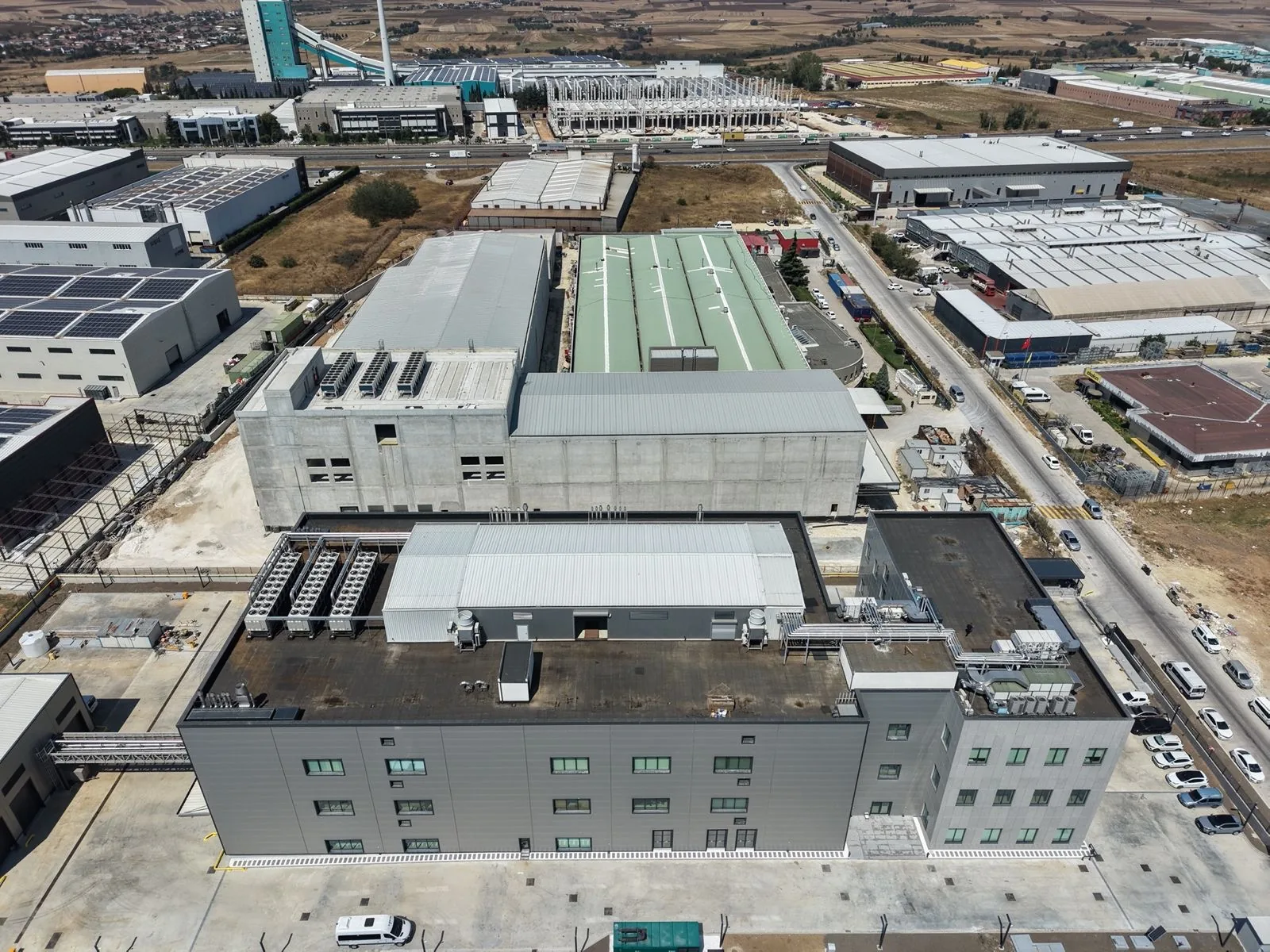
Drug shortages occur when demand for a medicine exceeds the available supply. One of the most frequent causes is not the active ingredient but the filling step. If capacity for sterile fill and finish is missing, the supply chain stops even though the API is available. This article explains the causes and shows how pharmaceutical companies protect themselves with spare filling capacity at a contract filler.
Key takeaways
- A large share of drug shortages is caused by manufacturing problems, including a lack of filling capacity for sterile dosage forms.
- Pharmaceutical companies reduce the risk with reserved capacity, a second filling site and short transport routes.
- Lubeca fill offers spare capacity for ampoules, vials, eye drops and liquid dosage forms in Çorlu near Istanbul, close to the EU border.
What is a drug shortage?
The European Medicines Agency describes a shortage as a situation in which the supply of a medicine does not meet demand at national level. The EMA overview of medicine shortages lists cases that affect several member states at the same time. Parenteral medicines, meaning injection and infusion solutions, are affected particularly often because their manufacture requires sterile equipment.
Why missing filling capacity is so often the cause
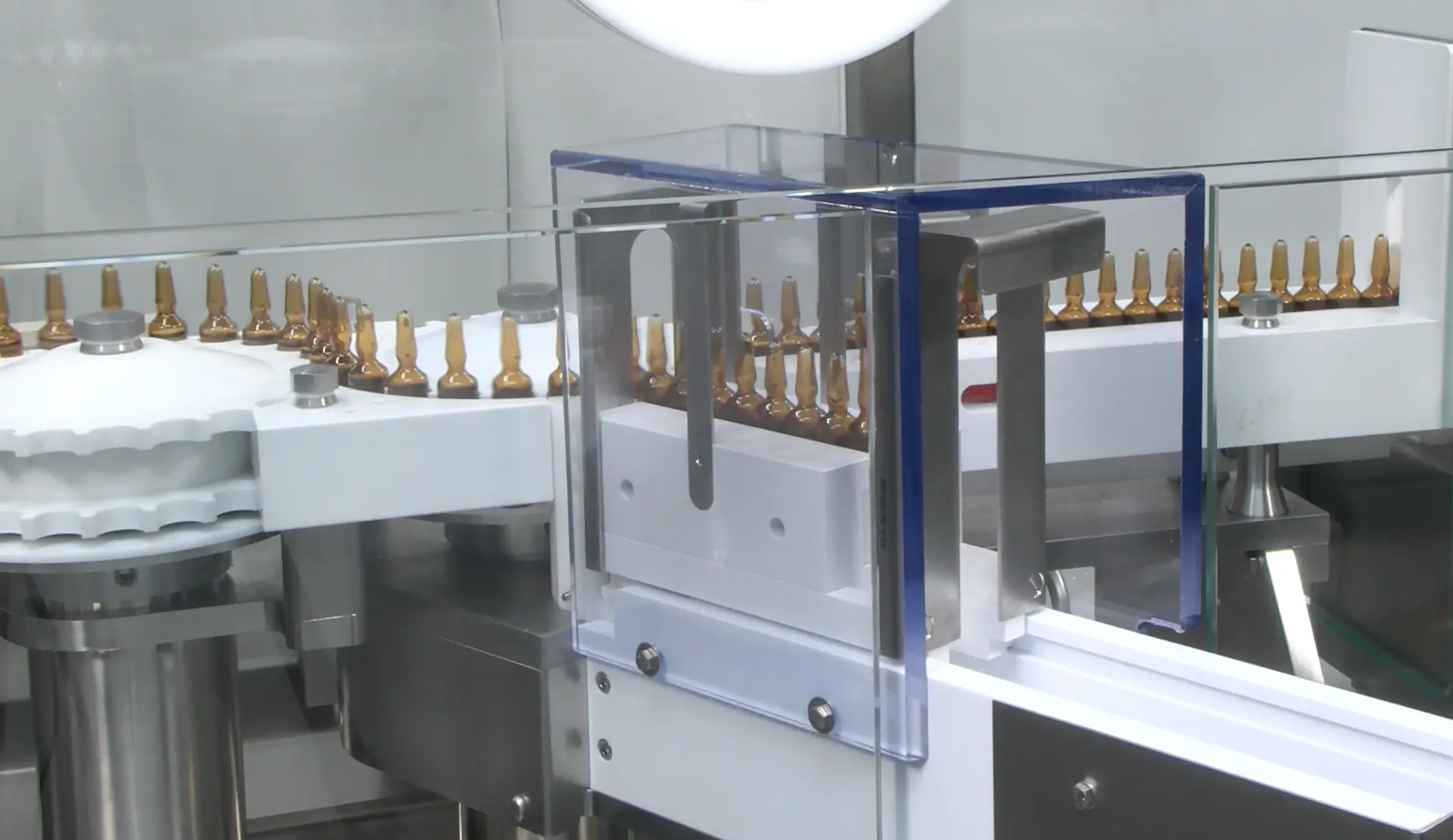
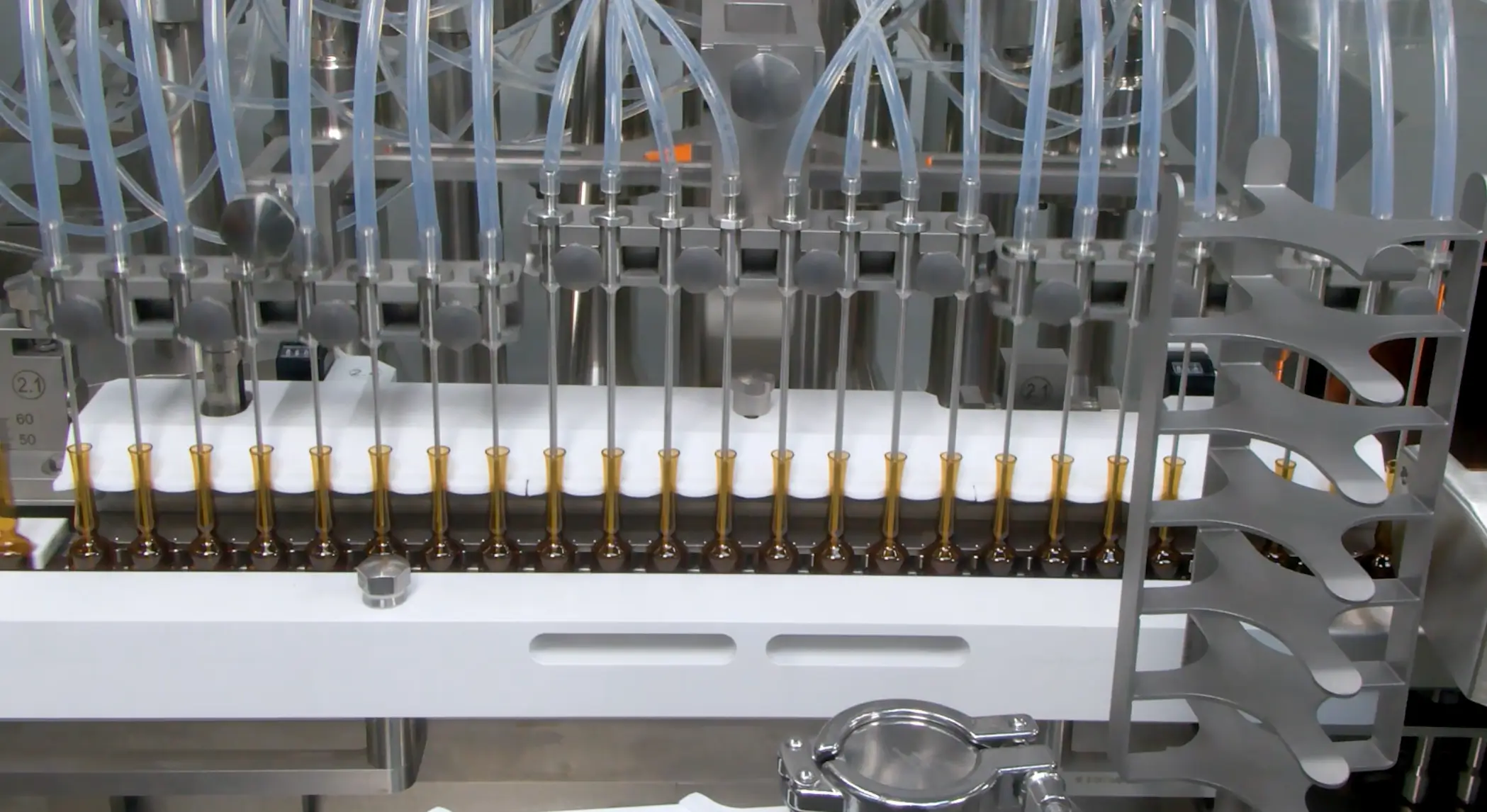
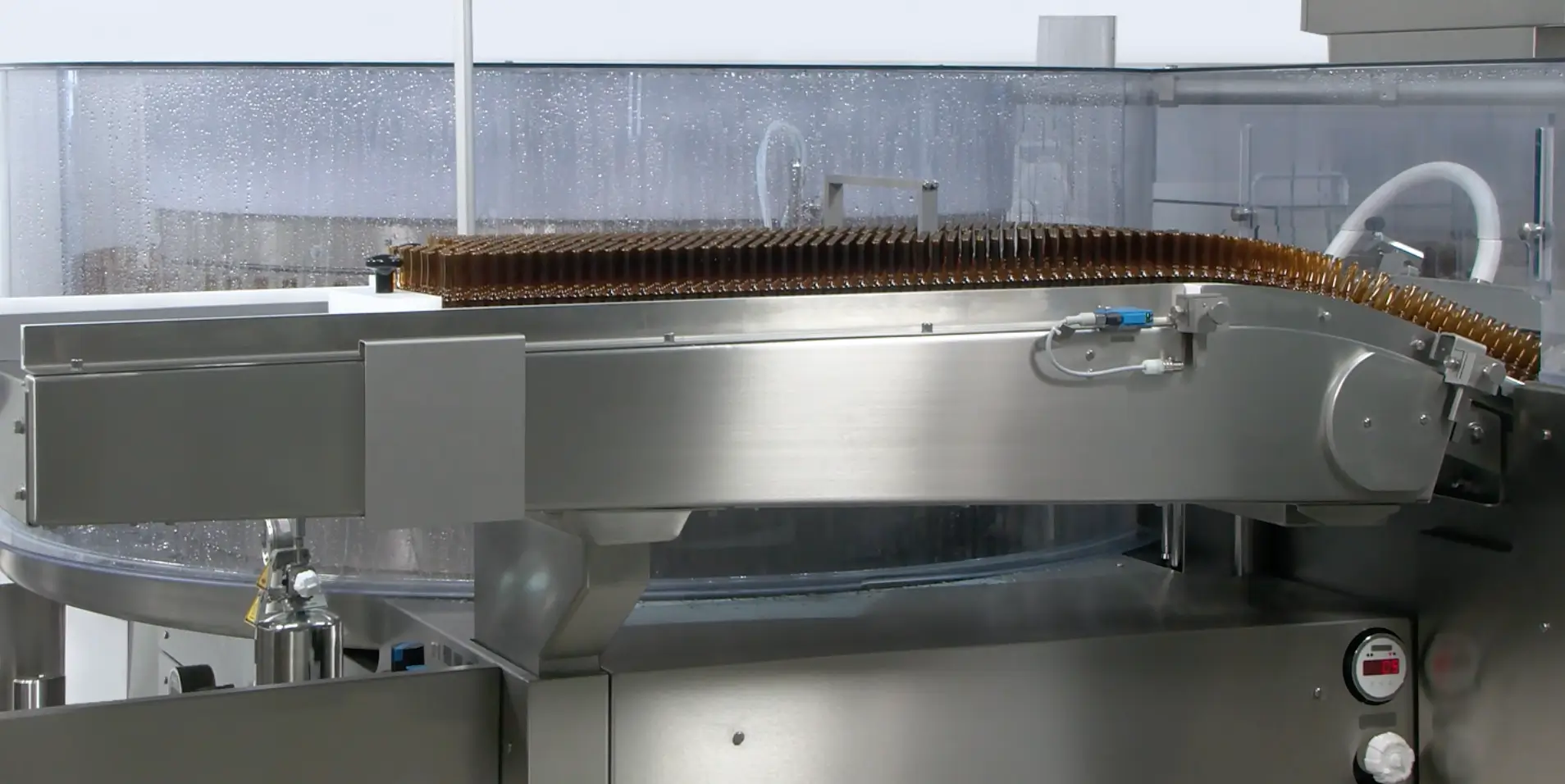
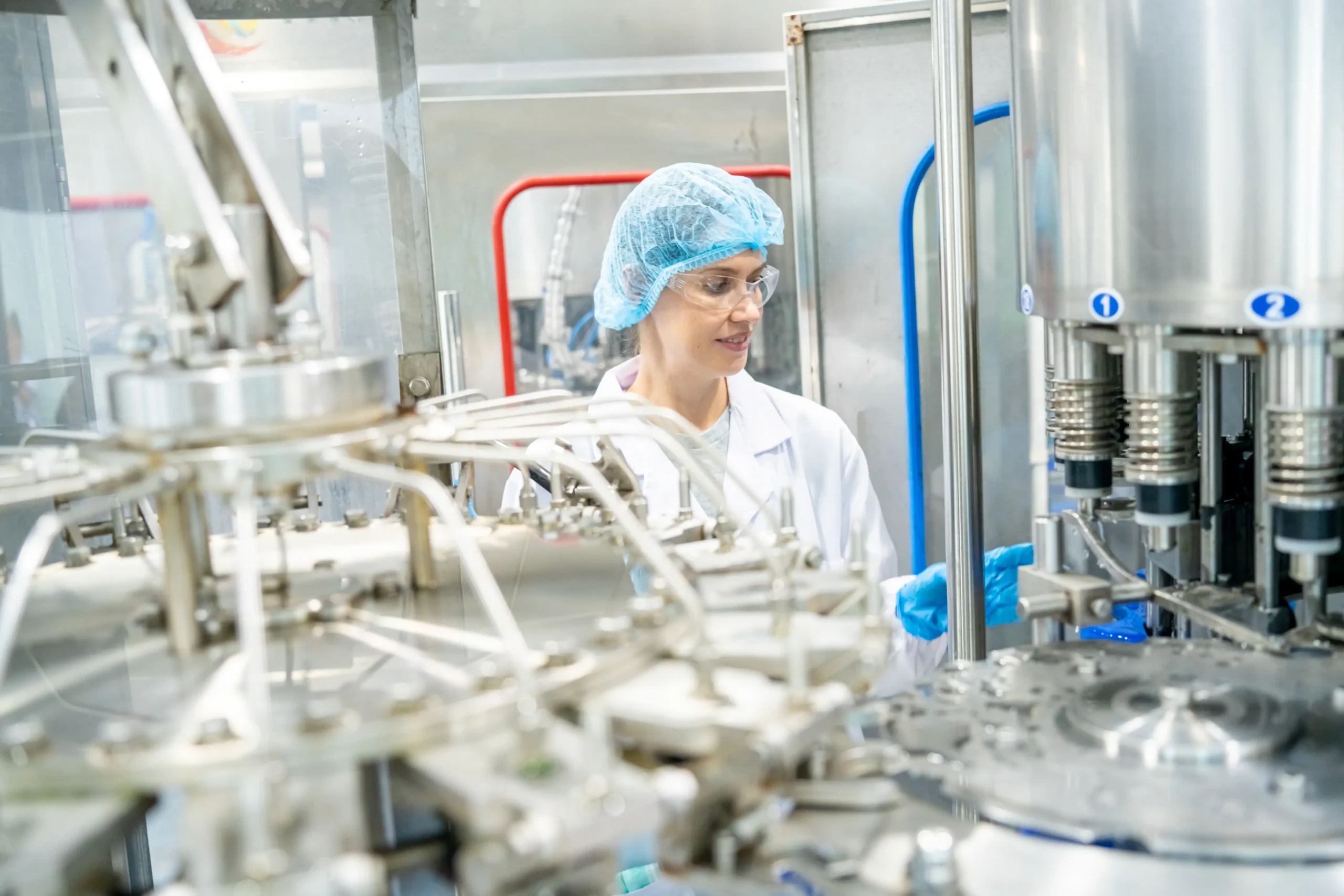
Manufacturing a medicine consists of two major steps. First the active ingredient is produced, then it is formulated and filled under sterile conditions into ampoules, vials or bottles. This second step is called fill and finish. Sterile filling lines are expensive, demanding to qualify and booked out for years across Europe. If a line fails or demand jumps, there are therefore hardly any alternatives.
In addition, many manufacturers have concentrated their filling at a single site. A technical defect, an audit finding or a quality problem then hits the entire supply.
The main causes at a glance
| Cause | Typical situation | Effect on supply |
|---|---|---|
| Missing filling capacity | Sterile lines fully booked, no alternative qualified | API available, product still not deliverable |
| Quality problems | Batch recall, GMP deviation, line stoppage | Outage lasting weeks to months |
| Raw material shortage | API or primary packaging not available | Production cannot start |
| Demand spike | Flu season, approval of a new indication | Stock runs out, replenishment takes time |
| Market withdrawal | Manufacturer discontinues an unprofitable product | Few remaining suppliers must fill the gap |
How spare filling capacity prevents drug shortages
A contract filler with spare sterile lines is an insurance policy for pharmaceutical companies. It takes over filling when the in-house line stops or when volumes exceed in-house capacity. For this to work in an emergency, the filler must be qualified in advance. This includes an audit, a technology transfer and a trial filling. Only then can the client react within weeks rather than months when a shortage looms.
Three measures for pharmaceutical companies
1. Reserve capacity
Agree a framework contract with reserved line time with a contract filler. This gives you access to capacity before a shortage arises.
2. Qualify a second site
A second source for filling reduces the risk of a total outage. Many companies split volumes permanently between two sites so that both partners know the product.
3. Choose short transport routes
The closer the filler is to the EU, the shorter the delivery times and customs routes. Sites in the Far East mean weeks at sea, whereas a site on the EU border means days.
How Lubeca fill provides spare capacity
Lubeca fill was founded in 2019 to counter the capacity shortage in pharmaceutical contract manufacturing. The plant in Çorlu near Istanbul is located in the European part of Turkey, close to the EU border and with direct access to international logistics routes. The equipment comes from Groninger, Bausch + Ströbel and Syntegon. Lubeca fill fills ampoules from 1 to 10 ml, vials, eye and nasal preparations, liquid dosage forms and diagnostics. EU GMP certification is currently in preparation. Background on the requirements is given in the article on contract filling according to EU GMP. When outsourcing pays off is explained in the article on pharmaceutical outsourcing.
Frequently asked questions about drug shortages
How quickly can a contract filler step in?
If the filler is already qualified, usually within a few weeks. Without prior qualification it takes several months because of audit, technology transfer and validation.
Which products are affected most often?
Sterile injection and infusion solutions, because their filling requires special equipment and capacity in Europe is scarce.
Does a site outside the EU help?
Yes, provided the site works according to EU GMP and is logistically close. Çorlu near Istanbul is connected to Central Europe by truck within a few days.
Would you like to secure capacity before a shortage occurs? Contact us so that we can review your products and volumes.