

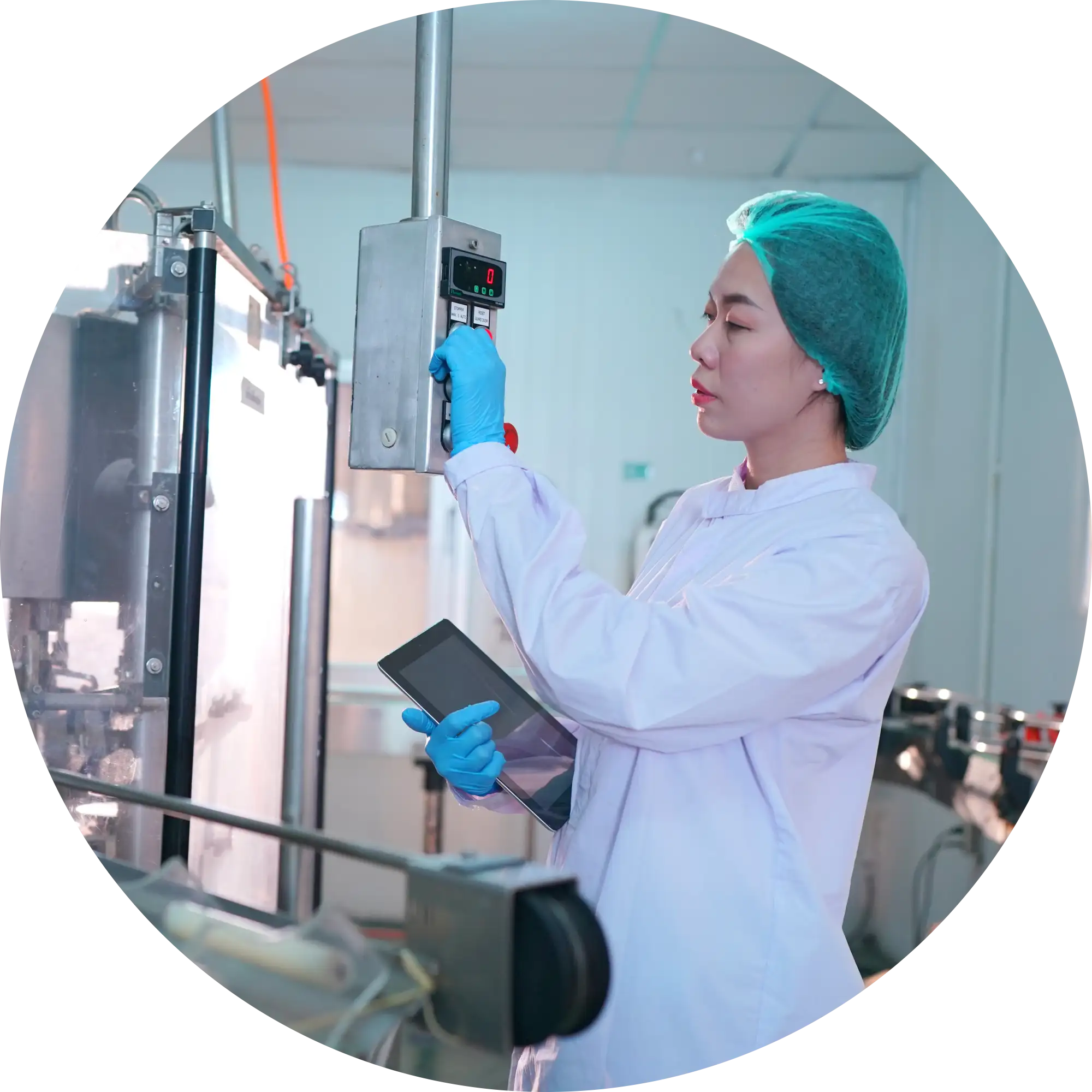
Tech transfer in pharma means the planned transfer of a manufacturing process from one site to another, for example from the pharmaceutical company to a contract filler. The goal is that the product is made at the new site with the same quality as at the old one. For sterile medicines, the transfer is the most demanding step before production starts. This article shows the phases, the documents required and the typical mistakes.
Key takeaways
- A technology transfer in sterile filling usually takes six to twelve months.
- It is divided into preparation, documentation, feasibility, validation and release.
- Lubeca fill supports the transfer with dedicated contacts and equipment from Groninger, Bausch + Ströbel and Syntegon.
What is a tech transfer in the pharmaceutical industry?
Technology transfer passes knowledge, processes and test methods from the sending site to the receiving site. The ICH Q10 guideline describes it as part of the pharmaceutical quality system, and the EU GMP guide covers it in chapter 7 on outsourced activities. In contract filling, the transfer mainly concerns the formulation, the filling parameters, the test methods and the packaging materials. Technology transfer is not a one-off act but a project with milestones.
The five phases of a tech transfer
| Phase | Content | Duration |
|---|---|---|
| 1. Preparation | Confidentiality, project team, risk analysis, schedule | 2 to 4 weeks |
| 2. Documentation | Handover of manufacturing instructions, specifications, test methods and stability data | 4 to 8 weeks |
| 3. Feasibility | Review of equipment and change parts, trial filling with placebo or product | 4 to 8 weeks |
| 4. Validation | Method transfer in the laboratory, process validation with three batches, media fill | 3 to 6 months |
| 5. Release | Variation of the marketing authorisation, release by the Qualified Person | depends on the authority |

Which documents does the receiving site need?
- Manufacturing instructions with all process parameters
- Specifications for API, excipients and packaging materials
- Analytical test methods with validation reports
- Stability data and justification of shelf life
- Risk analysis of the existing process
- History of deviations and complaints
- Safety data sheet and classification of the product
The more complete this package is, the shorter the feasibility phase becomes. Gaps in documentation are the most common reason for delays.
Typical mistakes in tech transfer
The first mistake is starting too late. Many companies only begin the transfer once their own capacity is already missing. Then there is no time left for validation and regulatory procedures. The second mistake is incomplete process knowledge. Parameters that were “always set that way” at the old site are often not written down anywhere. The third mistake concerns packaging materials. Vials, stoppers and ampoules must run on the equipment of the new site, which should be checked with samples in advance.
How Lubeca fill supports the transfer
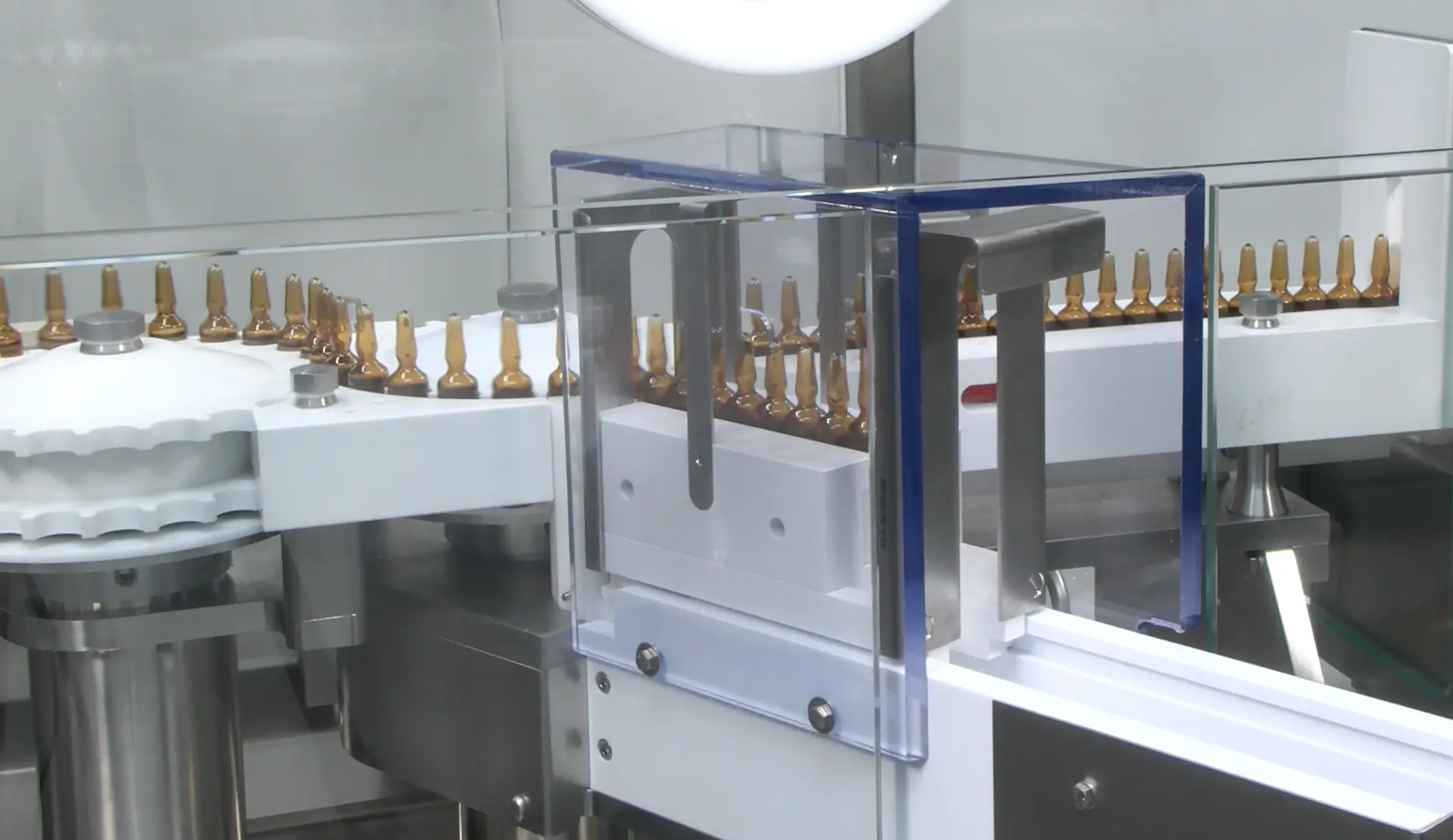
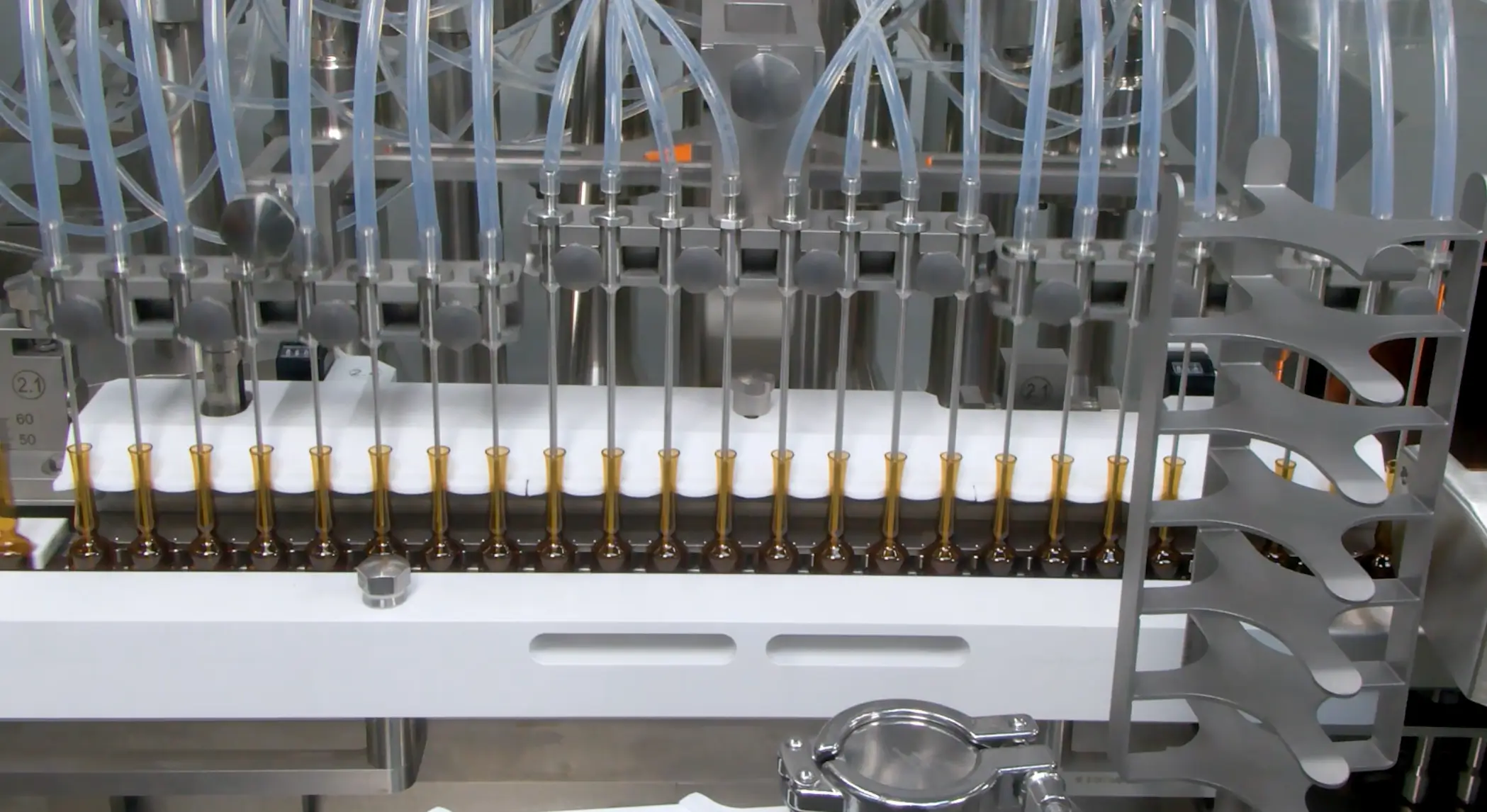
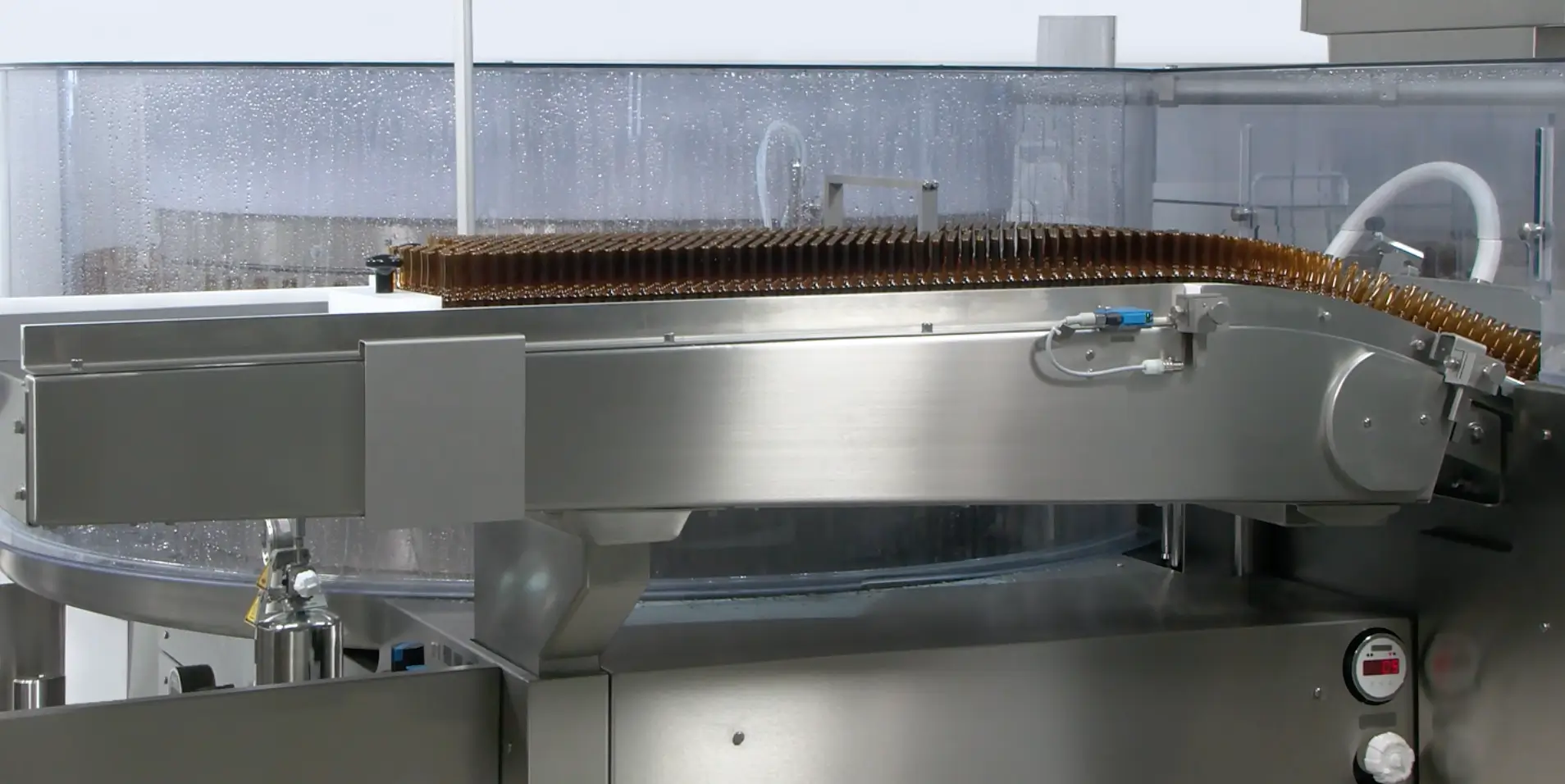
Lubeca fill was founded in 2019 and operates a plant in Çorlu near Istanbul with equipment from Groninger, Bausch + Ströbel and Syntegon. For the transfer we provide a dedicated project team, check your packaging materials on our lines and carry out trial fillings before validation begins. We fill ampoules from 1 to 10 ml, vials, eye and nasal preparations, liquid dosage forms and diagnostics. EU GMP certification is currently in preparation. Read more about the requirements in the article on contract filling according to EU GMP. How to assess a site close to the EU is shown in the article on nearshoring.
Frequently asked questions about tech transfer
How long does a technology transfer in sterile filling take?
Usually six to twelve months. The decisive factors are the completeness of the documentation and the duration of the regulatory procedure.
Does the marketing authorisation have to be changed?
Yes. A new manufacturing site is a variation of the marketing authorisation and must be notified to the authority.
Who bears the cost of the transfer?
The contracting parties decide. Usually the client pays for validation batches and analytics, while the filler provides equipment and change parts.
Are you planning to relocate a product? Contact us and we will draw up the transfer plan together.