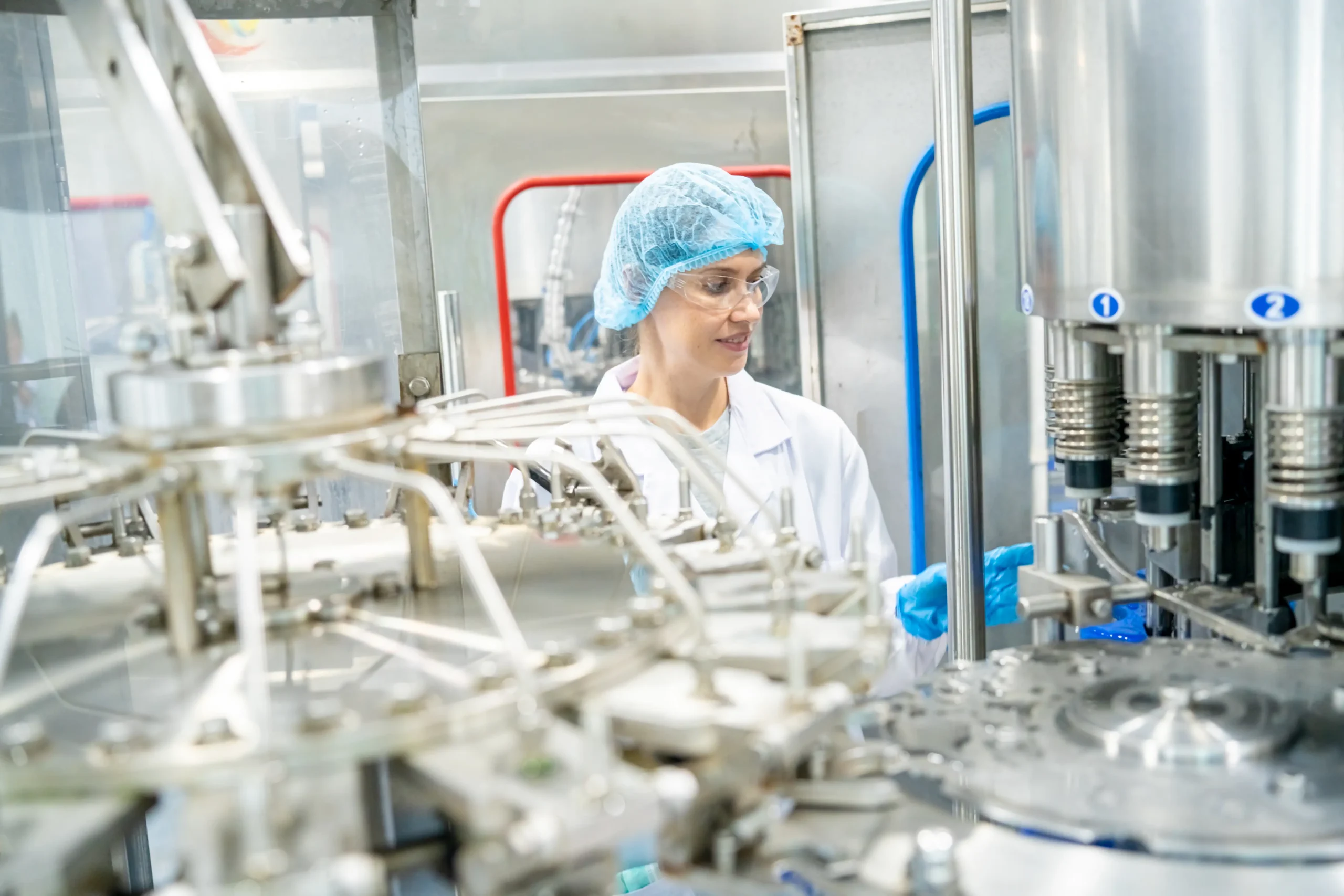




Ampoule filling for sterile injectables is one of the most demanding processes in pharmaceutical manufacturing. Ampoules are frequently used for sensitive injection solutions, where sterility, dosing accuracy, glass quality, closure integrity and process safety are closely interlinked. Even small deviations can affect product quality, safety of use and regulatory assessment. Ampoule filling must therefore not be regarded as a purely technical service.
For pharmaceutical companies, biotech companies and international clients, choosing a suitable partner is crucial. A professional contract filler must master sterile processes, use suitable equipment, demonstrate validated procedures and document the entire manufacturing process in a traceable manner. With sterile injectables in particular, what counts is not only whether an ampoule is filled correctly. What is decisive is whether the entire process runs safely, reproducibly and in a regulatorily robust manner over the long term.
Table of contents
ToggleWhat Does Ampoule Filling Mean in Pharmaceutical Practice?
Ampoule filling refers to the controlled filling of ampoules with pharmaceutical liquids. Ampoules are usually made of glass and are sealed after filling so that the product can be stored protected and later used safely. Ampoules are particularly common for sterile injection solutions, pharmaceutical active ingredient solutions or sensitive liquid preparations.
The ampoule serves not only as packaging. It is an important component of the entire product system. Glass quality, fill volume, product compatibility, sealing method, sterilisation strategy and storage conditions must fit together. If one of these factors is not properly assessed, the final product may be exposed to unnecessary risks.
Further information on suitable services can be found on the Lubecafill page for the contract filling of ampoules and injectables.
Why Sterile Injectables Place Special Demands
Sterile injectables place particularly high demands because they are introduced directly into the body. Microbiological contamination, particles, glass defects, dosing deviations and unsuitable material contact must therefore be consistently avoided. Product safety depends not only on the formulation, but also on every single step of manufacturing and filling.
With sterile injection solutions, process control is what matters most. Product preparation, filtration, ampoule feeding, filling, sealing, visual inspection and documentation must be precisely coordinated. In addition, interventions in critical process areas must be minimised and controlled. The fewer unplanned manual interventions are required, the better the contamination risk can be reduced.
Regulatory Basis: GMP and Sterile Manufacturing
Ampoule filling for sterile injectables is subject to high regulatory requirements. In Europe, the EU GMP Guide in EudraLex Volume 4 forms an important basis for pharmaceutical manufacturing. Particularly relevant is EU GMP Annex 1 on the manufacture of sterile medicinal products, because it describes requirements for sterile processes, aseptic processing, contamination control and monitoring.
For companies with international objectives, the FDA guidance on sterile drug products produced by aseptic processing may also be relevant. It describes requirements for aseptic processing and cGMP in the US context. Especially for globally oriented projects, such regulatory expectations should be taken into account at an early stage.
In practical terms, this means for clients: a partner for ampoule filling must not only be able to produce technically. They must think in regulatory terms, document risks, assess deviations and justify quality-relevant decisions in a traceable manner.
Sterility as the Core Requirement of Ampoule Filling
Sterility is a non-negotiable basic requirement for injectable preparations. The process must be designed so that microbiological contamination is prevented during manufacturing and filling. It is not enough to simply refer to a cleanroom or sterile components. What is decisive is the entire process chain.
Sterile ampoule filling includes, among other things, controlled environmental conditions, suitable material flows, qualified personnel, validated cleaning and sterilisation processes, microbiological monitoring and clear specifications for interventions in the process. The interfaces between product, packaging and equipment must also be assessed.
A common mistake is to understand sterility only as an end state. In practice, sterility is the result of a controlled process. Each phase must be planned and monitored so that risks are identified and controlled at an early stage.
Aseptic Processing and Process Control
Many sterile injectables cannot be terminally sterilised afterwards. In such cases, aseptic processing is of central importance. Product and primary packaging must be processed under conditions that consistently minimise the risk of contamination. Every open process step is critical and must be safeguarded accordingly.
Aseptic ampoule filling requires validated equipment, defined process parameters and clear work instructions. Operator interventions must also be strictly controlled. If an intervention is necessary, it must be justified, trained and documented. This keeps the process traceable even under complex production conditions.
Process control also includes regular monitoring of the environment, equipment conditions and critical process parameters. This is the only way to ensure that ampoule filling not only works successfully once, but delivers reproducible results over the long term.
Precision in Fill Volume
With sterile injectables, the fill volume is a central quality factor. Too low a fill quantity can impair subsequent use. Too high a fill quantity can waste material or cause technical problems during sealing. The dosing must therefore precisely match the product, the ampoule size and the subsequent application.
Dosing accuracy depends on several factors. These include viscosity, foam formation, temperature behaviour, surface tension, machine parameters and filling speed. The filling process should therefore not be planned in a generic way. Rather, the respective product must be technically assessed and processed with suitable parameters.
Especially with high-value or sensitive active ingredient solutions, precise filling has direct economic and qualitative significance. It reduces losses, increases batch consistency and supports stable product quality.
Glass Ampoules and Material Compatibility
Glass ampoules offer pharmaceutical products a high level of protection, but at the same time place special demands on selection and processing. Glass type, quality, breakage behaviour, particle risk and possible interactions must be taken into account. Not every ampoule is automatically suitable for every product.
Especially with sensitive injection solutions, it must be checked whether product and glass are compatible with each other. Depending on the formulation, interactions, pH changes, leaching or stability problems may become relevant. Material compatibility should therefore be assessed at an early stage, before a process is planned for scaling or series filling.
The mechanical processing of the ampoules also plays a role. Glass defects, particle formation or imperfect seals can impair product quality. Professional ampoule filling therefore considers not only the filling itself, but also the entire container and closure system.
Sealing, Tightness and Product Protection
After filling, the ampoule must be sealed securely. The seal protects the product from contamination, evaporation and external influences. At the same time, it must suit the application and storage. With sterile injectables in particular, container integrity is an important quality factor.
Tightness and product protection depend on ampoule quality, the sealing process and downstream controls. If errors occur here, a product can be compromised despite correct filling. The sealing process should therefore be validated and monitored regularly.
Depending on the product, additional tests may be required. These include, for example, visual inspections, leak tests or other quality-relevant tests. It is important that these tests are not carried out in isolation, but are embedded in a complete quality system.
Validation as the Basis for Process Safety
Process safety does not come from experience alone. It must be demonstrated. Validation and qualification are therefore central components of ampoule filling for sterile injectables. Rooms, equipment, media, cleaning processes, sterilisation methods, filling parameters and test methods must be suitable and assessed in a documented manner.
In aseptic processes, media fills play a particularly important role. They simulate the filling process under practical conditions and show whether the process is microbiologically controlled. Such evidence is relevant for clients because it demonstrates that filling is not only technically possible, but robust under controlled conditions.
Changes to the process must also be carried out in a controlled manner. If packaging, fill volume, machine parameters or test methods are adjusted, the effects of these changes on quality, validation and documentation must be assessed.
Scaling of Development and Validation Batches
Many projects do not start directly with large production volumes. Collaboration often begins with development batches, technical batches or validation runs. Especially with sterile injectables, however, subsequent scaling should be considered at an early stage. Otherwise, unnecessary technical and regulatory hurdles arise later.
A sound scaling strategy takes into account product stability, fill volume, ampoule size, equipment configuration, process speed, in-process controls and documentation requirements. This makes it easier to assess how a product can be transferred from a smaller project scale to larger-scale production.
It is also important that scaling does not come at the expense of quality. Higher volumes must not lead to process control, testing or documentation being weakened. A suitable contract filler must therefore combine technical efficiency with regulatory safety.
Documentation and Traceability
In pharmaceutical ampoule filling, documentation is an essential part of quality assurance. Every batch must be manufactured, tested and assessed in a traceable manner. This includes manufacturing records, test records, monitoring data, material certificates, cleaning records, deviation reports and release documents.
These documents are not only important for internal quality assessments. They support audits, communication with authorities, international approval processes and long-term process monitoring. Incomplete documentation, on the other hand, can cause considerable problems, even if the actual production appears technically flawless.
Traceability is particularly important for international clients. Different markets have different expectations regarding evidence and responsibilities. A partner for ampoule filling should therefore be able to clarify documentation requirements at an early stage and implement them reliably.
Typical Challenges in Ampoule Filling
At first glance, ampoule filling for sterile injectables appears clearly defined. In practice, however, projects differ greatly. Some products are sensitive to temperature, light or oxygen. Others place high demands on dosing accuracy, filtration, glass compatibility or process speed. Each project must therefore be assessed individually.
- Sterile or aseptic processing of sensitive injection solutions
- Exact dosing for small and medium fill volumes
- Suitable glass ampoules and matching closure systems
- Control of particles, microorganisms and glass-related risks
- Validated processes for filling, sealing and inspection
- Scaling from technical batches to series production
An experienced partner recognises these challenges early and assesses them openly. This is important because late changes to sterile products can be costly. Careful project planning reduces risks, avoids delays and creates a stable basis for later production phases.
Quality Assurance During and After Filling
Quality assurance does not begin only at the end of production. It accompanies the entire process. During ampoule filling, in-process controls may cover, for example, fill volume, ampoule condition, seal quality or visible abnormalities. After filling, further tests may be required, depending on the product and the regulatory requirements.
Visual inspection is particularly important. It helps to detect particles, glass defects, fill quantity deviations or other visible abnormalities. In addition, microbiological, physical or chemical tests may be relevant. Which tests are required depends on the product, the application and the target market.
What is decisive is that all controls are properly documented and assessed. Only this creates a robust basis for batch release, audit readiness and long-term process stability.
What Pharmaceutical Companies Should Look for in a Contract Filler
The selection of a partner for ampoule filling should be carried out carefully. What matters is not only whether a provider can fill ampoules. More important is whether they process sterile injectables safely, reproducibly and with full documentation under controlled conditions. With pharmaceutical products in particular, experience with regulatory requirements is indispensable.
- Experience with sterile injectables and sensitive liquid dosage forms
- Suitable process environment for sterile or aseptic filling
- Validated equipment, qualified rooms and controlled material flows
- Expertise in glass ampoules, fill volumes and sealing processes
- Structured quality management and robust documentation
- Open technical assessment before project start
A professional contract filler should also clearly state when a product, packaging or process is not yet sufficiently defined. This is not a disadvantage, but a mark of quality. With sterile injectables in particular, an honest technical assessment is more important than a quick commitment.
Ampoule Filling as a Safe Process for Demanding Injectable Products
Ampoule filling for sterile injectables combines technical precision, sterile process management, suitable packaging and regulatory documentation. For pharmaceutical companies, this process is quality-critical because it has a direct impact on product safety, batch consistency and international marketability.
Anyone wishing to have sterile injection solutions filled into ampoules should clarify at an early stage what requirements exist for the product, fill volume, glass ampoule, sterility, validation and target market. The better these points are prepared, the more safely the process can be planned and scaled.
Lubecafill supports companies with demanding projects involving sterile injectables, ampoules, vials and other pharmaceutical dosage forms. Relevant information can also be found in the section on sterile filling of injectables and on the page for the contract filling of ampoules and injectables.
Are You Planning Ampoule Filling for Sterile Injectables?
Then get in touch with Lubecafill and discuss your requirements for quality, scaling and safe pharmaceutical filling processes.